A 20 yard dumpster rental gives a renovation or cleanout more breathing room, while a 15-yard dumpster can be the better fit for a focused project or a tight driveway. The right choice depends on the actual debris, available placement space, and how likely the scope is to grow. This guide shows you how to compare the two sizes without paying for capacity you will not use or running out of room halfway through the job.
Get a dumpster rental quote from Dumpsters On Demand LLC.
Quick answer: Choose a 15-yard dumpster for a defined cleanout, single-room remodel, or compact site. Choose a 20-yard dumpster for multi-room work, bulky household items, or a project with uncertain debris volume. In either case, tell the rental company what you are discarding, confirm the container dimensions, and ask about accepted materials and included weight before booking.
20 yard dumpster rental vs 15-yard: quick comparison
The difference between these containers is five cubic yards of capacity. That sounds simple, but the practical decision is about more than the number on the side. A smaller container can be easier to place and may suit a carefully limited job. A larger container gives you a buffer when materials will not stack neatly or demolition may reveal additional waste.
| Decision point | 15-yard dumpster | 20-yard dumpster |
|---|---|---|
| Best project profile | Defined, smaller cleanup | Medium project or uncertain scope |
| Typical debris | One-room remodel, garage cleanup, brush | Multi-room remodel, bulky furniture, larger cleanout |
| Placement | Better for compact driveways | Requires confirmation of available space |
| Planning advantage | Avoids unused capacity | Provides a margin for extra debris |
| Main risk | Running short if the project expands | Ordering more space than the project needs |
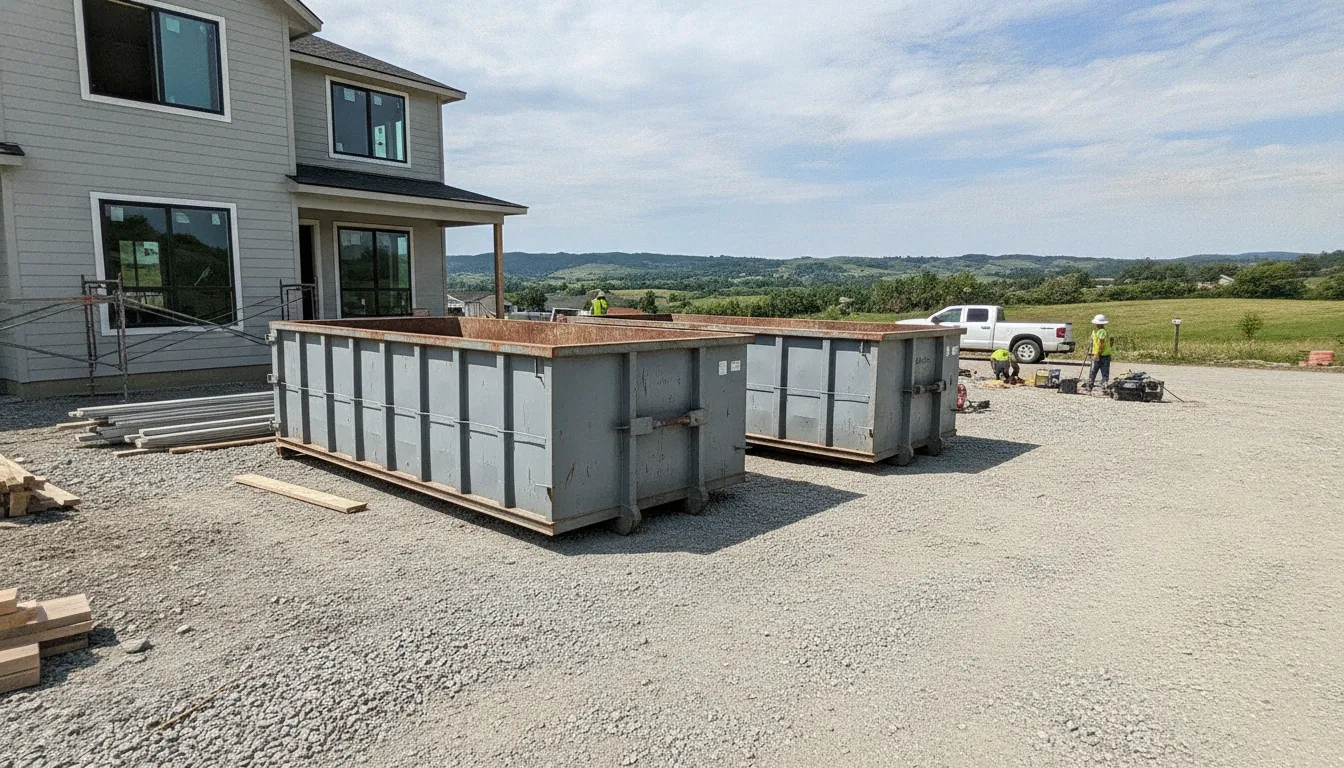
Outside dimensions can vary by provider even when the stated capacity is the same. Never assume a 20-yard container will fit because another dumpster fit in the same location before. Ask for the exact length, width, and height of the container being delivered, then confirm the truck has enough approach room to place and retrieve it.
The most useful way to decide is to match the container to a specific project plan. If you know exactly what is leaving the property, a 15-yard dumpster may be sufficient. If the work involves opening walls, removing several rooms of flooring, or clearing bulky items, the added capacity of a 20-yard option can reduce the chance of an interrupted cleanup.
When a 15-yard dumpster is the smarter fit
A 15-yard dumpster works well when the cleanup has clear boundaries. It gives homeowners and contractors useful capacity without occupying more of the site than necessary. It is often a practical option for one-room renovations, garage or attic cleanouts, small roofing jobs, and yard projects where the waste can be estimated before delivery.
For a local option, review the 15-yard dumpster rental in Nashville. That page serves as the cluster pillar for planning smaller projects and understanding where a compact roll-off can help.
Defined cleanouts and single-room projects
A focused cleanout is easier to estimate than a whole-home cleanup. Walk through the space and identify furniture, boxes, fixtures, and loose material that will go into the container. Break down safe-to-disassemble items in your estimate because cabinets, shelving, and empty boxes use less space when flattened. Keep donation items separate so they do not consume rental capacity.
For a bathroom or kitchen update, list the materials by project stage. Demolition may produce cabinets, counters, flooring, drywall, packaging, and smaller cleanup debris. If the job is limited to one room and does not include structural removal, a 15-yard container may offer a sensible balance between space and site access.
Tight or active work areas
A compact container can be valuable when the driveway must remain partly usable or when workers need to move around the property. Measure the proposed placement area and consider how people, tools, and vehicles will travel during the rental. The container should not block a garage that needs to open, trap a vehicle, or interfere with material deliveries.
Smaller does not automatically mean easier delivery. The roll-off truck still needs a clear route, firm surface, and safe overhead clearance. Share details about gates, slopes, low branches, wires, and parked vehicles before delivery day. If placement would extend into a public street or right of way, check applicable local rules first.
When not to choose the 15-yard size
Do not select the smaller option solely because the initial pile looks manageable. Installed material is often compact, but it spreads out once removed. Built-in cabinets become awkward sections, flooring becomes loose stacks, and damaged underlayment may add debris that was not visible during planning.
If your estimate nearly fills the container before work begins, there is little margin for surprises. In that situation, compare the inconvenience of stopping work or arranging extra service with the cost of starting with more capacity. The larger option may provide better value when a tight estimate has a meaningful chance of growing.
When a 20-yard dumpster is the better choice
A 20-yard dumpster is usually better for a medium renovation, a multi-room cleanup, or a project involving bulky waste. It provides a practical buffer without jumping to a much larger construction container. That buffer is most useful when the scope is understood but the final pile cannot be predicted precisely.
Home improvement debris rarely arrives in uniform shapes. Old furniture, cabinet boxes, trim, and broken drywall can leave gaps even with careful loading. A project involving several rooms can also produce material faster than expected. For more planning guidance, see the guide to dumpster rental for home renovation.
Projects with multiple waste sources
Choose the larger option when several parts of a property are being cleared at once. A basement cleanout combined with garage clutter, or flooring replacement combined with a kitchen update, creates multiple waste streams that are harder to estimate as one pile. The additional room can keep the work moving while each area is completed.
A 20 yard dumpster rental can also make sense when tear-out work may reveal water-damaged material, extra layers, or abandoned items. You should still estimate carefully, but the extra capacity protects the schedule from normal uncertainty. It should not be treated as permission to add unrelated waste or load prohibited material.
Bulky debris and imperfect stacking
Large household pieces can fill a container quickly because they leave open spaces. Safely disassemble items when possible, place flat material along the bottom, and distribute the load instead of creating one tall pile. Never climb into the dumpster or use unsafe methods to compress debris. If an item is difficult to handle, ask the rental provider for guidance.
Capacity and allowable load are separate issues. Dense materials such as concrete, dirt, tile, plaster, and shingles may require special handling even when they occupy little room. Tell the company about these materials before booking. Depending on its rules, the provider may recommend a different load plan or service.
How to estimate debris before you book
A reliable estimate begins with an inventory, not a guess based on the size of the house. Walk through every work area and write down what will be removed. Group the list into bulky household items, construction debris, yard waste, and materials that may require separate disposal. This makes it easier for the rental company to recommend an appropriate container.
-
Define the project boundary. Decide which rooms, outdoor areas, or work phases are included. Keep possible future projects out of the estimate unless they will happen during the rental.
-
List the debris by material. Note furniture, cabinets, drywall, flooring, fixtures, brush, and other items separately. Material type affects both loading and disposal requirements.
-
Account for hidden layers. Renovations may uncover old flooring, damaged wallboard, underlayment, or packaging waste. Add a reasonable buffer when those items are likely.
-
Plan for awkward shapes. Long boards and bulky pieces do not always stack tightly. Identify what can be safely broken down before it reaches the container.
-
Share the list before booking. A clear description lets the provider flag restricted items and recommend a size based on real project details.
Use capacity as one part of the decision
Cubic yards describe space, not how a particular load should be handled. Light, bulky household clutter can occupy the container before it creates a heavy load. Dense demolition material can create the opposite problem. Rather than repeating a generic truck-load estimate, describe the debris itself and ask how the provider wants it loaded.
This is especially important for construction work. The construction waste dumpster rental guide explains how a container can support an organized jobsite. Confirm accepted materials before demolition begins so the crew does not mix in items that require another disposal method.
Plan placement, delivery, and loading
A good rental plan protects access from the first delivery through final pickup. Select a firm, level placement area and inspect the entire route from the street. The truck needs more room than the container itself. Park vehicles elsewhere, unlock gates, and move temporary obstacles before the scheduled arrival window.
Measure more than the final spot
Measure the intended placement location, then look upward and outward. Low branches, utility lines, roof overhangs, tight turns, and soft shoulders can affect delivery. Tell the provider about slopes or surfaces that may need protection. The company can explain its site requirements and whether another location would be safer.
Think about the container door and the path used to carry debris. A convenient loading route reduces handling and helps keep the work area organized. At the same time, the dumpster should not block emergency access, create a blind corner, or prevent the pickup truck from reaching it later.
Load safely and efficiently
Begin with flat, sturdy items and spread debris across the floor of the container. Place bulky pieces so they do not create large unusable gaps, but do not force or crush material using unsafe equipment. Keep the load even from side to side and below the marked fill line. Material extending above the top can make pickup unsafe and may need to be removed.
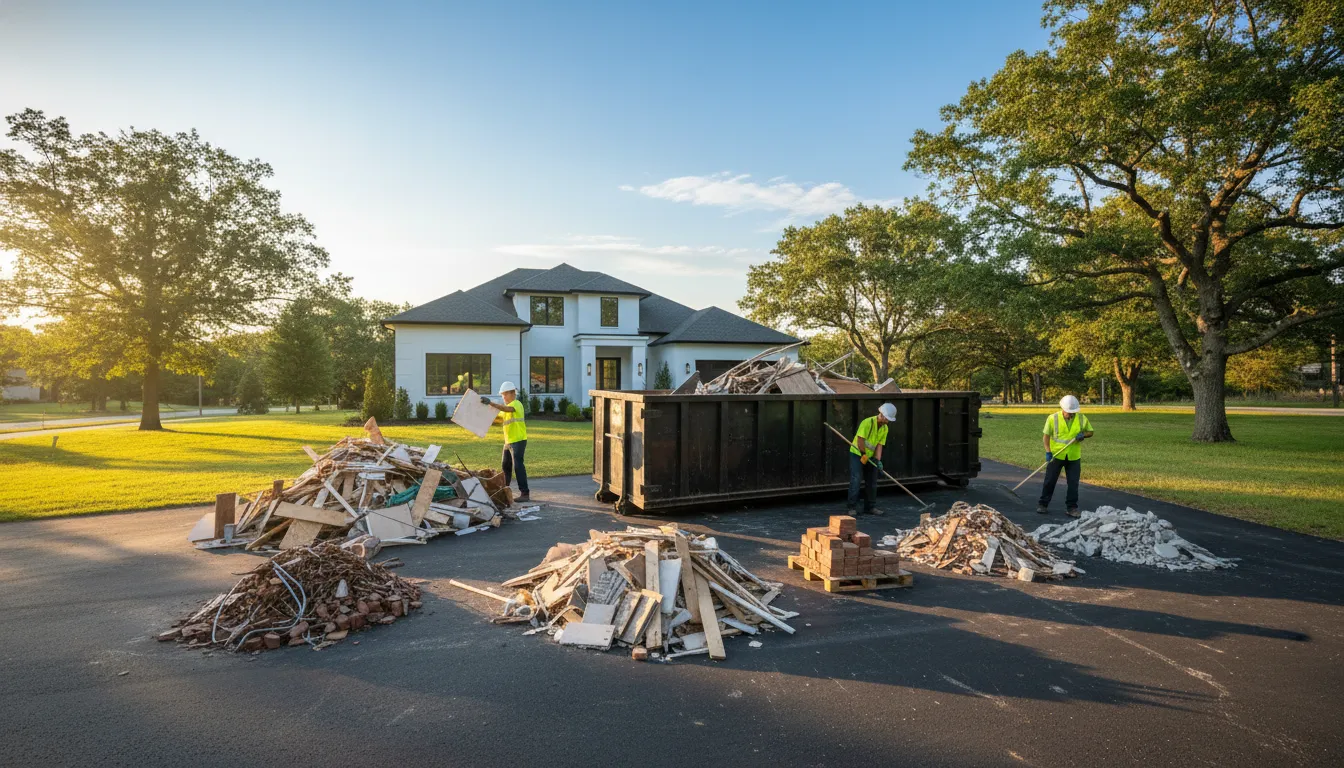
Set aside anything that is prohibited or needs special disposal. Do not assume that paint, chemicals, batteries, appliances, tires, or electronics can go into the same load. Accepted-material rules vary, so obtain the current list directly from the rental provider and make sure everyone working on the project follows it.
Compare quotes on the terms that matter
The lowest opening price is not always the best project value. A useful quote clearly explains the container size, rental period, included service, accepted debris, and how possible additional charges are handled. Compare the same scope across providers so one quote does not appear cheaper simply because it leaves out a service you need.
Project location and access can also affect service. Travel distance, local disposal requirements, street placement, or a difficult pickup route may change the quote. Share accurate details at the start instead of waiting until delivery day. For a deeper overview, read the disposal bin prices guide.
Questions to ask before confirming
- What are the exact dimensions of the container being delivered?
- How many rental days and which services are included?
- Which materials are accepted, restricted, or prohibited?
- What site clearance does the delivery truck require?
- How should dense or unusual debris be handled?
- Where is the fill line, and what happens if material exceeds it?
- How much notice is needed for pickup or a schedule change?
Write down the answers and share them with anyone loading the dumpster. A clear plan prevents well-meaning helpers from adding restricted items or stacking material above the fill line. It also gives you a simple way to compare the 15-yard and 20-yard options based on the full rental terms.
Make the final size decision
Choose a 15-yard dumpster when the project is defined, the debris list is reliable, and site space matters. Choose a 20-yard dumpster when several areas are involved, bulky items will be loaded, or normal project uncertainty could push the cleanup beyond a smaller container. If dense material is involved, ask for a material-specific recommendation rather than assuming a larger bin solves the issue.
Dumpsters On Demand LLC can help you compare the options using your project details and placement needs. Be ready to describe the work, debris types, site access, and schedule. That conversation is more useful than choosing by container name alone and gives you a clearer path to an efficient cleanup.
Frequently asked questions
Is a 20-yard dumpster much bigger than a 15-yard dumpster?
A 20-yard dumpster has five more cubic yards of capacity than a 15-yard dumpster. Its outside dimensions may also be different, but dimensions vary by provider. Ask for exact measurements and truck clearance requirements before planning placement.
What projects are best for a 15-yard dumpster?
A 15-yard dumpster often fits defined cleanouts, single-room remodels, small roofing jobs, brush cleanup, and projects on compact sites. It is most practical when you can make a reliable debris list before delivery.
When should I choose a 20 yard dumpster rental?
Choose a 20 yard dumpster rental for multi-room renovations, larger cleanouts, bulky household debris, or work with a reasonable chance of producing extra material. Confirm accepted items and site requirements before booking.
Can heavy debris go in either dumpster size?
Heavy debris may require special limits or a different loading plan regardless of container size. Tell the rental provider about concrete, soil, tile, plaster, shingles, and other dense materials before ordering.
How do I prepare for dumpster delivery?
Select a firm, level location, clear the route from the street, move vehicles, unlock gates, and check for low branches or overhead wires. Confirm the required placement and approach clearance with the provider before delivery day.
Contact Dumpsters On Demand LLC to discuss your project and request a quote.