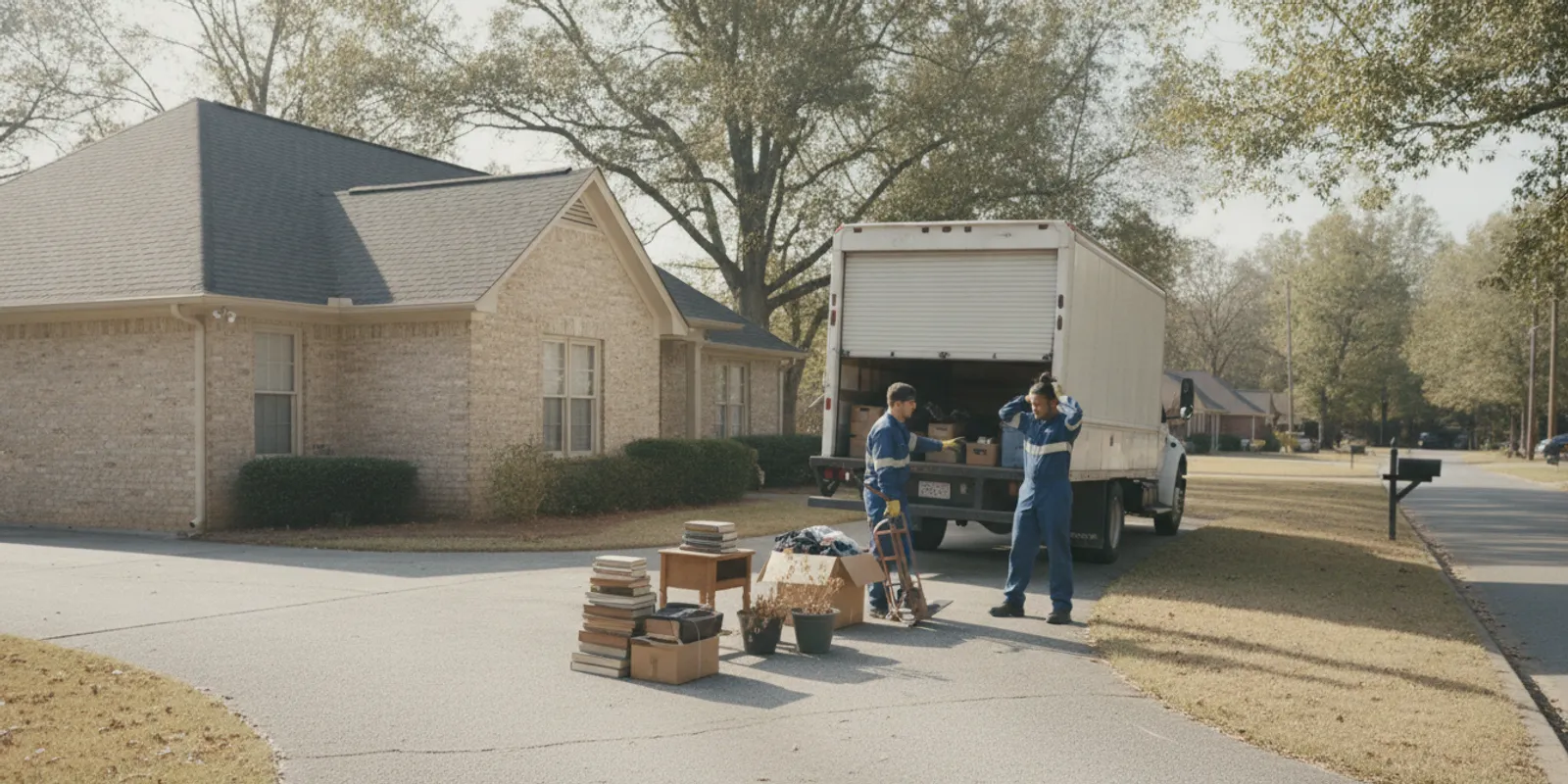
When a garage, rental home, or renovation site starts filling with unwanted items, finding the right kind of help matters as much as getting the debris out. If you are comparing junk removal Portland TN options, first decide whether you want a crew to do the lifting or a container you can fill on your schedule. The project’s size, item mix, access, and timing will point you toward the better fit.
Book a junk removal appointment
What should Portland customers decide before arranging junk removal?
Start with a quick inventory. Walk through the rooms, yard, garage, or work area and write down the large items, loose debris, and anything that may need special handling. Estimate how much space the items take up, not just how many pieces there are. A dozen bulky chairs can take more room than several boxes of scrap material.
Then think about who will handle the work. Full-service junk removal is designed for customers who want a professional crew to do the heavy lifting, loading, and hauling. With a dumpster rental, the container is dropped off and you load it yourself over the agreed rental period. Dumpsters On Demand describes its rental service as “We Drop it Off, You Fill it Up, We Take It Away.” Its junk removal service follows the other model: the crew arrives, fills, and hauls.
Consider these questions before you request service:
- Are the items in one accessible area, or spread across rooms and floors?
- Can you or your helpers safely move the heaviest pieces?
- Do you need everything removed in one visit, or will you add debris over several days?
- Are there items that may be reusable, recyclable, restricted, or unsuitable for ordinary disposal?
- Is there clear room for a truck or container to reach the work area?
If lifting or carrying is the main obstacle, a crew-based option may save you from organizing extra help. If you have a rolling project with debris generated over time, a container you load yourself may give you more control. For an overview of the distinction, review the company’s junk removal service information and its dumpster rental guide.
Should you hire a crew or rent a dumpster?
There is no single best choice for every Portland cleanout. Compare the amount of labor you want to do, the project timeline, and the kind of material involved. The table below is a planning guide rather than a quote; confirm the specific service, accepted materials, schedule, and price before booking.
| Project factor | Full-service junk removal | Dumpster rental |
|---|---|---|
| Who loads the items? | A professional crew handles the lifting and loading. | You, your household, or your work crew loads the container. |
| Best suited to | Bulky items, a concentrated cleanout, or a customer who wants help with the labor. | Renovations, ongoing cleanup, or projects where debris accumulates over time. |
| How work proceeds | Set aside the items for removal and arrange a pickup visit. | Plan the drop-off area, fill the container during the rental, then arrange pickup. |
| Time control | Removal is organized around the crew’s scheduled visit. | The company offers rental periods from one day to 14 or more days, with extensions available. |
| Physical effort for you | Less lifting and loading by the customer. | You are responsible for loading and should plan helpers and safe lifting. |
| What to confirm | Items, access, volume, timing, and the estimate for the work. | Rental duration, included disposal allowance, accepted materials, placement, and any excess-weight charges. |
How can you estimate the size and effort involved?
Make a rough volume estimate by grouping similar items together. For instance, count the bulky pieces separately from bags or boxes, and note whether debris is loose, stacked, or still attached to a structure. A quick room-by-room list is more useful than a vague description such as “a lot of junk.” If you are unsure how much space a pile needs, take clear photos from a few angles and ask whether the provider can use them to discuss the project. A description does not replace an on-site estimate when one is needed, but it helps avoid mismatched expectations.
Think about labor separately from volume. A small number of heavy or awkward objects may require more work than a larger stack of light items. Tell the company about stairs, long carries, narrow turns, elevators, gates, or a long distance between the items and the truck. These details affect what the crew needs to plan. If you will load a container, consider how much time you need to sort, dismantle permitted items, and move material without rushing. Do not take apart an item unless you can do so safely.
Finally, ask what the estimate covers. For junk removal, clarify which pieces are included and whether the price depends on the amount of material or other job details. For a rental, confirm the rental period, included disposal amount, loading rules, and possible extra charges. Getting these details before work begins makes it easier to compare options fairly and decide whether to reduce, donate, or separate some items before scheduling.
Dumpsters On Demand specializes in 15-yard roll-off containers. Its company information says rental prices include delivery, pickup, and disposal of up to two tons; the exact quote and applicable terms should be confirmed when booking. A dumpster can make sense when you want to sort and load at your own pace, but do not assume every item can go inside. Ask about questionable materials before filling it.
A crew may be more practical for a short, concentrated job when you do not want to move the items yourself. For a whole-room refresh, you might set aside furniture and other large objects for removal while keeping renovation debris separate. If the project produces material over multiple workdays, a rental can avoid repeated trips, provided you can load it safely and have suitable placement. You can explore the company’s dumpster options and pricing information before comparing your needs.
How can you plan a Portland cleanout by project type?
Garage, attic, or storage cleanout
Work in sections instead of pulling everything into the driveway at once. Label a few zones: keep, donate or reuse, recycle, and remove. Clear a path to the exit before moving heavy objects. If the project is mainly large household items and you do not want to lift them, ask about full-service removal. If you will be sorting boxes, shelving, and accumulated debris over a weekend or longer, ask whether a rental period fits your schedule. The company’s garage cleanout information can help you consider a container-based project.
Furniture and appliance removal
Measure tight hallways and doorways before moving furniture. Empty drawers and cabinets, and make a clear route from the item to the pickup area. If an appliance is connected to water, gas, or electricity, arrange for disconnection by an appropriately qualified person before removal; do not attempt work you are not equipped to do. Mention unusually large pieces, multiple floors, and access limits when asking for an estimate. For additional planning on bulky pieces, see the guide to furniture removal.
Renovation or construction debris
Separate general debris from materials that may have special disposal requirements. Keep sharp edges controlled and avoid creating unstable piles. A rental may work well if debris is produced in stages and you have people available to load it. For a one-time pile that is already gathered, a crew-based haul-away may be easier. Tell the provider what the debris is made of and roughly how much there is. Do not put concrete, dirt, liquids, chemicals, or other heavy or questionable materials into a container without confirming the rules and weight limits first.
Estate or move-out cleanout
These projects often combine furniture, boxes, appliances, and personal belongings. Identify items that family members want to keep before arranging removal. If several rooms need attention, divide the work into manageable areas and keep a written list of anything that should not be hauled away. A full-service crew can reduce the physical work, while a dumpster may suit a longer cleanout where you are sorting as you go. For a more detailed planning resource, read the company’s estate cleanout guide.
For contractors and property managers, coordination is part of the cleanout. Check who can authorize removal, which areas are ready, and when work can happen without interfering with residents, tenants, or other trades. Keep a simple record of what should be removed from each unit or work zone. If a dumpster is the likely option, plan a staging area that does not block deliveries or emergency access, and confirm placement with the provider. For a home project, decide where items will be gathered and who will be present to answer questions.
Do not mix items that need different disposal routes just to clear space faster. Set aside reusable goods, recyclable material, and anything that needs a provider’s approval. When removal is tied to a deadline, such as a move-out or contractor handoff, communicate that date during the estimate discussion. A clear list and agreed work area can help everyone know what is included and prevent useful belongings from being mistaken for junk.
What should you check about access and local disposal?
Before the service date, look at the approach to your property. Note narrow driveways, low branches, parked vehicles, soft ground, gates, and other obstacles. If you are considering a container, identify a flat, accessible placement area and confirm where it can be set. Dumpsters On Demand describes its containers as designed for driveway placement, but each property is different. Discuss the surface and access with the company rather than assuming a particular spot will work.
Keep the removal area separate from mailboxes, fences, trees, and other structures. The City of Portland, Tennessee, Sanitation Department’s public guidance says brush and junk items must be separated and placed near the road away from structures such as mailboxes, fences, and trees. That guidance concerns local sanitation handling; it is not a substitute for confirming the rules for a private junk-removal appointment or rental. Check the city’s Sanitation Department information for applicable local instructions.
Also confirm where the material will be collected and whether a local permit or other approval may be needed for a container in a public right-of-way. Requirements can depend on the placement and local rules. Do not place a container on a street or sidewalk until you have checked the relevant requirements. If the container will be entirely on private property, still make sure it will not block access or create a hazard.
How do you prepare for a smooth pickup or delivery?
- Make the removal list. Identify what should go and set aside anything that must stay. Label or mark items if several people are helping.
- Sort before loading. Separate donations and reusable items from waste. Keep materials that could require special handling apart until the provider confirms how to manage them.
- Share a useful description. Describe the largest items, approximate quantity, material types, stairs or long carries, and any access constraints. Photos can help you explain a project, when the provider accepts them.
- Choose the service model. Ask for a crew when you need lifting and loading help. Ask about a rental when you can load the container and want time to work through a larger or ongoing cleanup.
- Confirm the details. Review the service date, arrival expectations, price or quote, what is included, accepted material, rental length if applicable, and what could change the final cost.
- Prepare the route. Move vehicles and loose obstacles. Keep children and pets away from the work area while items are being carried or equipment is moving.
- Keep the site orderly. Do not overfill a container or load it in a way that makes debris unstable. Follow the provider’s instructions for safe loading and pickup.
For customers comparing removal providers, the company’s service-area page lists locations it serves across Tennessee and Kentucky; confirm current availability and scheduling for your address before making plans. The business lists Portland, Tennessee, among its service locations. Call the Tennessee team at (615) 971-3668 or use the online booking route to discuss your project and request the appropriate next step.
Frequently Asked Questions
Does Dumpsters On Demand serve Portland, TN?
Portland, Tennessee, is listed in the company’s service area. Confirm availability for your specific address and desired date before relying on a particular schedule.
What is the difference between junk removal and dumpster rental?
With full-service junk removal, a crew handles the lifting, loading, and hauling. With a dumpster rental, the container is delivered and you load it yourself during the rental period. Choose based on how much help you need and how your project is paced.
Can I put any kind of junk in a dumpster?
No. Material acceptance and weight limits matter. Ask the provider about specific items before loading, especially heavy debris, liquids, chemicals, appliances, or anything that could require special handling.
How should I compare the cost of each option?
Compare like with like. For a crew, describe the items, access, and amount of work, then review the estimate and what it includes. For a rental, confirm the period, included disposal allowance, accepted materials, and potential overage charges. Do not compare only a starting price if the services include different labor or disposal terms.
How far ahead should I arrange service?
Timing depends on the service calendar and your project. Contact the company once you know the approximate volume, access, and preferred date. Same-day or next-day service may be available in some cases, but confirm it rather than assuming it is guaranteed.
Schedule a Portland-area junk removal appointment
When you know what needs to go, how much hands-on help you want, and where a truck or container can safely reach, it is easier to choose a practical removal plan for your Portland project.