Planning a cleanout and comparing junk removal Smyrna TN options? First decide whether you want a crew to lift and haul items or prefer to load a container yourself. Your best fit depends on what is being removed, how much there is, the access route, and whether the job will happen in one focused visit or over several days.
Request help planning your cleanout
What does full-service junk removal include?
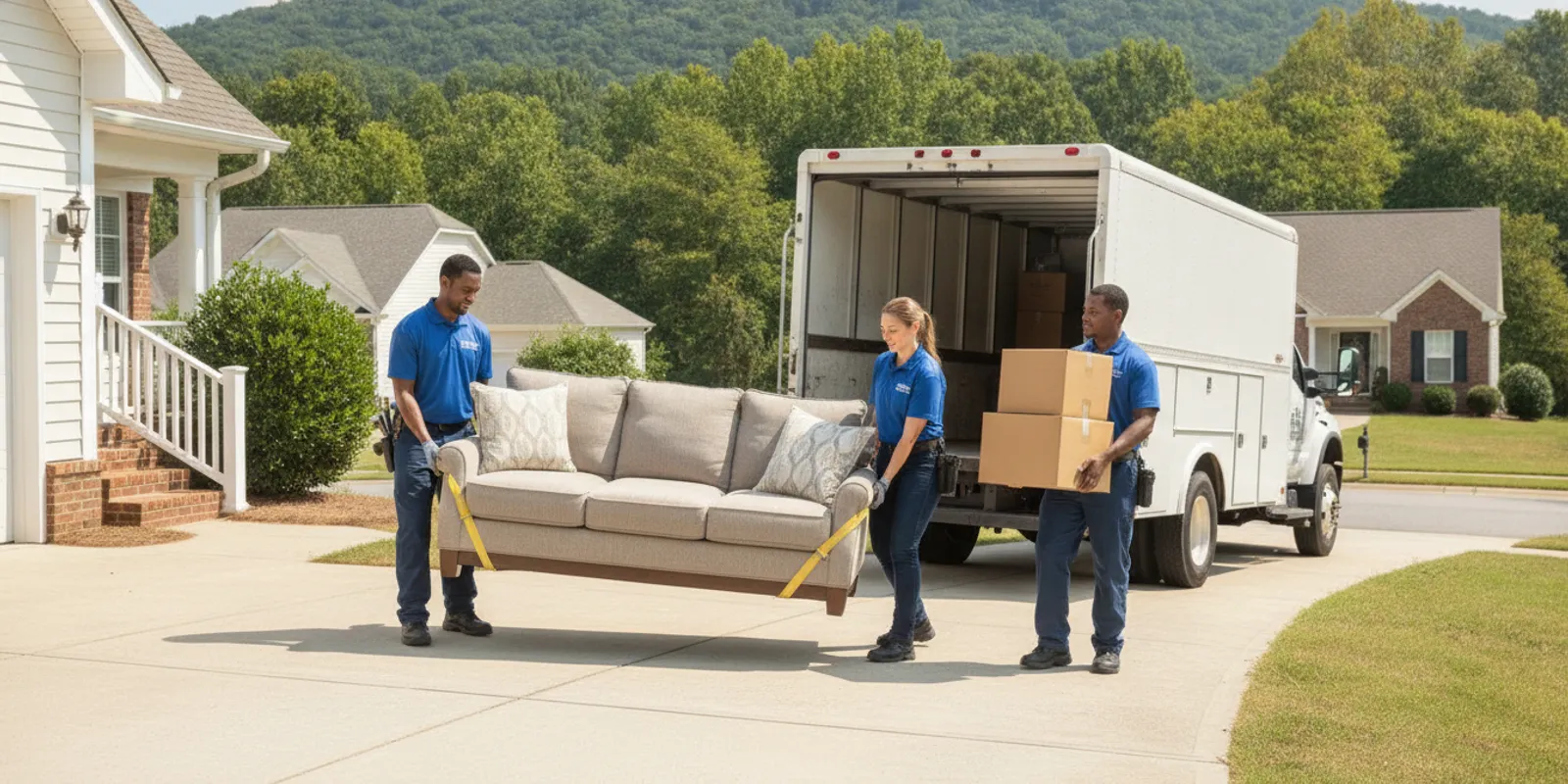
With full-service junk removal, a crew handles the lifting, loading, and hauling within the agreed scope. It can be useful when items are bulky, spread across several rooms, or difficult for you or your team to move. Dumpsters On Demand describes services that include furniture and appliance removal, estate cleanouts, and construction debris hauling for residential and commercial projects.
Do not assume every material or item will be accepted. Before setting a date, describe the load and ask about anything unusual, heavy, or potentially requiring separate handling. Confirm whether the crew can remove all the listed items in the planned visit, and clarify what labor and hauling are included in the estimate.
- Furniture: List large pieces such as sofas, tables, mattresses, desks, and shelving. Give approximate quantities and mention whether they are upstairs or in a tight room.
- Appliances: Identify the appliance type and location. Ask the provider to confirm acceptance and any preparation needed rather than disconnecting or dismantling equipment on your own.
- Household or estate contents: For a larger cleanout, separate keepsakes and belongings that should remain before the crew arrives. A household and estate cleanout checklist can help organize those decisions.
- Construction debris: Describe the material and estimated amount. A pile of mixed renovation debris may call for a different plan than a few bulky items.
If furniture is the main concern, see the furniture removal guide. For a single couch, the couch disposal guide walks through options to consider.
How does the size of the load affect an estimate?
Full-service junk removal is priced by volume, so the amount of truck space your items occupy matters. A few large pieces can take up more room than a larger number of compact items. A useful estimate starts with an inventory and a description of the whole job, not simply the number of rooms.
For example, a garage with a workbench, two cabinets, and a stack of boxes is different from a garage with those items plus a full wall of bagged debris. Likewise, a single bulky sofa may take up substantial space even though it is only one item. These examples are not price quotes; they show why the actual contents matter when planning the load.
Before requesting an estimate, walk through every area and divide items into three groups: definitely remove, keep, and undecided. Count the large pieces in the first group, then describe smaller material in familiar units such as bags, boxes, or the size of a pile. If you can share photos, take wide shots that show the full area and closer views of items that may need special attention. Mention anything outside the photos, including items in a basement, shed, or upstairs room.
- Make a list of furniture, appliances, and other bulky objects.
- Estimate smaller items by bag, box, or a clear description of the pile.
- Identify each room, outdoor area, or business space included.
- Separate items that are staying, and flag anything that may have special handling needs.
- Ask whether the estimate covers the described load, crew labor, loading, and hauling.
Be direct if the pile changes before the appointment. Adding a room or several large items can change the space and labor needed. Tell the provider before the crew arrives so you can confirm whether the original scope still fits or needs to be revised.
Why should you describe access before the crew arrives?
The route from the items to the vehicle is part of the work. A ground-floor garage beside a clear driveway is different from a second-floor apartment with narrow stairs, a long walk, or a shared loading area. Stairs, elevators, gates, door widths, and parking restrictions can all affect how the job should be planned.
When asking for an estimate, say where the items are and how a crew would reach them. Note whether there are stairs, an elevator, a narrow hallway, a gate code, a long carry, or a limited place to stop the truck. In a business setting, explain loading-dock hours, shared lots, or the need to keep an entrance open. These details help the provider assess whether the requested scope and access work together.
You can make the work area easier to navigate by moving small obstacles, identifying items that should not be removed, and keeping children and pets away from the loading route. Do not try to move or dismantle heavy items unless the provider tells you to. For additional planning ideas, read this guide to hiring a company to clean out a house.
Should you hire a crew or rent a dumpster?
The main difference is who does the loading and when. With full-service removal, the crew does the lifting and hauling as part of the agreed service. With a dumpster rental, the container is delivered and picked up, while you or your project team load it during the rental period. Dumpsters On Demand specializes in 15-yard roll-off rentals, with rental periods ranging from one day to 14 or more days; confirm current availability and terms for your project.
| Consideration | Full-service junk removal | Dumpster rental |
|---|---|---|
| Who loads? | The removal crew handles lifting and loading within the agreed scope. | You or your project team load the container. |
| Project pace | Often suits a concentrated cleanout planned for a crew visit. | Can suit work that produces debris over several days. |
| Best questions to ask | What is included, accepted, and covered by the estimate? | What materials are accepted, where can it be placed, and how long can it stay? |
| Work for you | Sort items and explain the load and access before scheduling. | Plan placement and do the loading safely during the rental period. |
A crew may be the more practical choice if you cannot or do not want to lift, if the items are dispersed around a home, or if you want the hauling handled as one service. A container may make more sense when you are doing renovation, sorting, or a larger project at your own pace and have people available to load it. Neither option is automatically better; the contents, access, timeline, and amount of hands-on work you can take on should decide.
For a closer look at the self-service option, read the dumpster rental guide and the information on renting a 15-yard dumpster. If you choose a container, review how to load a dumpster safely and confirm material rules before filling it.
How can you plan a cleanout for a home or business?
A little preparation can prevent confusion about what leaves and what stays. For a home, mark the items to remove or group them in a clear area when practical. For an estate or move, set aside documents, valuables, medications, and personal keepsakes before disposal decisions begin. If several people are making decisions, agree on a simple process for handling items that are still undecided.
Businesses can plan around staff, customers, tenants, and other trades. Identify the rooms or work areas included, keep required exits and shared paths clear, and decide who will approve removal of furnishings or equipment. If a cleanout is part of a renovation, ask the contractor which materials will be generated and whether they should be separated. This makes it easier to describe the job and distinguish junk removal from ongoing construction debris needs.
If donation or recycling is important to your project, separate items that may be reusable and ask what options are available for the load. Dumpsters On Demand says it prioritizes donation, then recycling, before landfill disposal where applicable; confirm how that applies to the specific materials you have. The U.S. Environmental Protection Agency provides general information on waste and recycling, while your provider can answer questions about handling a particular load.
Which cleanout situations call for each option?
Consider a move-out where a household has several large furnishings, boxes in bedrooms, and a few items in the garage. If the priority is to clear the property without doing the heavy carrying yourself, full-service removal may be the simpler plan. Make a room-by-room list, set aside what is staying, and explain stairs or long walks from the rooms to the driveway. Ask whether the stated load and labor fit into one visit.
Now consider a bathroom or kitchen project that will produce debris in stages. If a contractor or household member can load material as work progresses, a dumpster may offer a place to put debris over the planned rental period. Before choosing it, decide where the container can sit, whether that spot remains accessible, and who will handle loading. Ask what materials are permitted instead of assuming every renovation item belongs in the same container.
A small commercial turnover presents another variation. The items may be concentrated in a few rooms, but the work has to fit around tenants, staff, shared hallways, or business hours. Describe those constraints when comparing options. A crew visit can be organized around a defined list of furniture and contents; a dumpster can suit ongoing work if there is room to place it and someone can load it. For either choice, name the areas that are included and identify items that must remain in service.
These examples are planning prompts, not a guarantee of availability or a quote. The provider needs the actual item list, access details, and timing to assess the fit. If the project mixes bulky furniture with ongoing debris, ask whether one option can handle the whole scope or whether you should separate the tasks.
What should you ask before scheduling?
Use the conversation to confirm scope, access, and timing instead of focusing only on the broad service label. Useful questions include:
- Does the estimate include crew labor, loading, and hauling?
- Which items or materials are not accepted, or need to be discussed in advance?
- How should I share the quantity, photos, and access details?
- What happens if the actual pile is larger than the description?
- What appointment windows are available, and how should the work area be prepared?
- For a dumpster, what placement and loading restrictions should I plan around?
Keep the estimate details and agreed scope in writing. If there are multiple rooms or addresses involved, list them rather than assuming the provider knows they are included. If you are choosing between services, compare the complete work involved: your loading time and labor for a container versus the described crew service and its estimated load volume.
How do you arrange junk removal in Smyrna?
Start with three details: an inventory of what should go, a practical estimate of the total volume, and a clear description of the route to the items. Then choose whether you want a crew to do the lifting or need a container for self-loading. Dumpsters On Demand serves Middle Tennessee and offers both full-service junk removal and dumpster rentals. Confirm service availability for your Smyrna address and ask which option fits the material and access you described.
Review the junk removal service information and the service area page before reaching out. For container details, see dumpster rental information. Sharing a complete description gives the provider a better starting point for discussing the scope and next steps.
Frequently asked questions
Do junk removal crews load the items?
Yes. Full-service junk removal includes crew labor for lifting, loading, and hauling within the agreed scope, subject to the provider’s acceptance of the items.
How should I estimate the amount of junk?
Count large pieces, describe smaller material in bags or boxes, and identify each room or area involved. Photos can help, but mention items not visible in them and explain whether the load may change.
Is a dumpster better for a renovation?
It can be a useful option when debris accumulates over several workdays and you have people who can load it. Check placement, rental period, accepted materials, and loading instructions before arranging delivery.
Can the crew remove items from upstairs?
Share the floor, stairs or elevator, carrying distance, and any narrow passages when requesting an estimate. The provider can confirm whether the access and items fit the planned service.
Talk through your cleanout options
A clear inventory and honest description of access help you choose between labor-inclusive hauling and self-loading a dumpster for your Smyrna project.