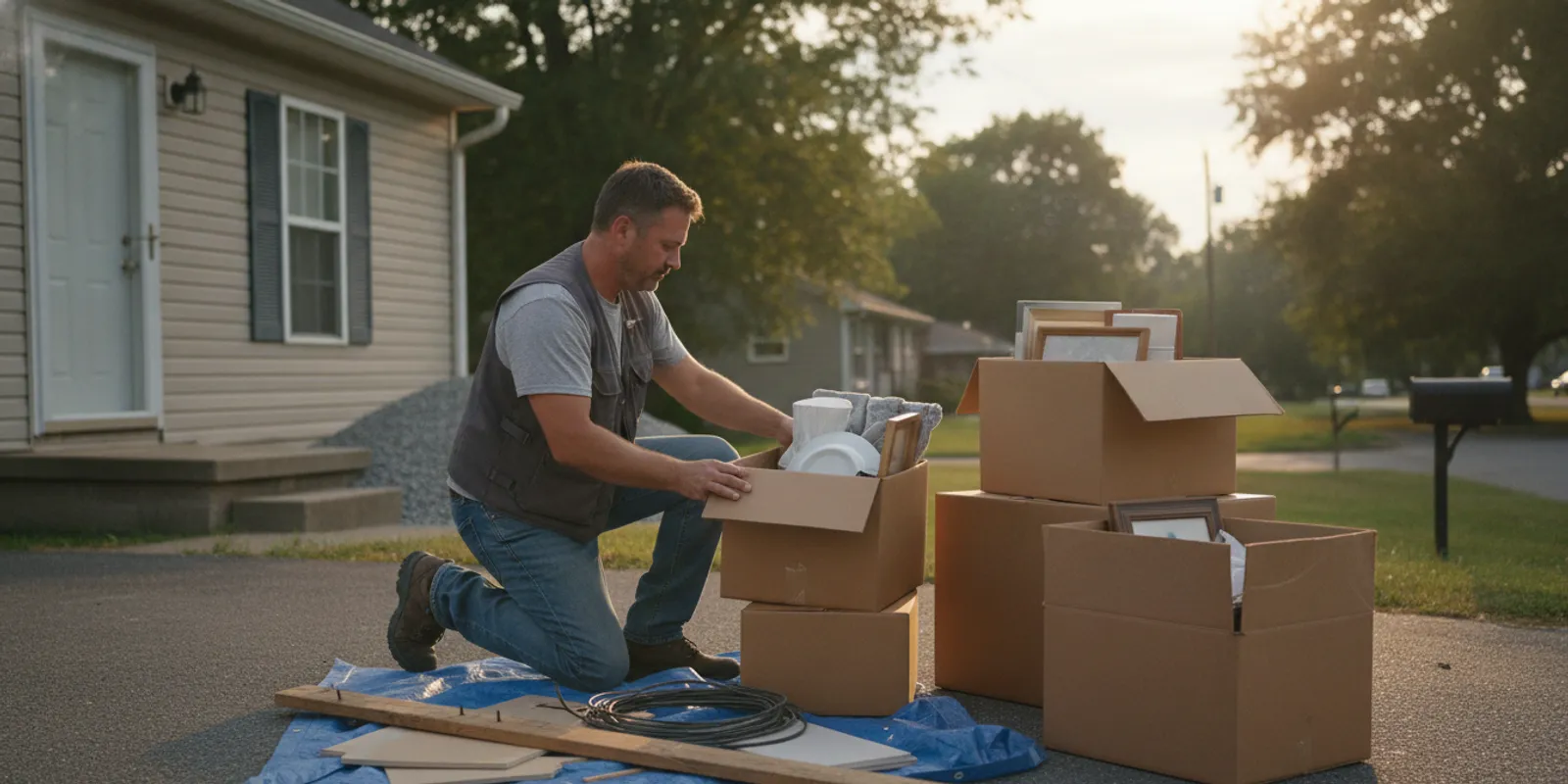
When a project leaves behind bulky furniture, old appliances, renovation scraps, or a full property cleanout, the next question is how to move it out without slowing the work. If you are looking for junk removal Franklin KY options, first decide whether you need a crew to do the lifting or a container you can fill as the job progresses. The right choice depends on the material, the amount, access to the property, and how much time you can give disposal.
Ask about service for your Franklin project
What should you sort out before arranging junk removal in Franklin, KY?
Start with a quick inventory rather than a guess about volume. Walk each room, work area, or part of the property and list what needs to go. Separate bulky items from loose debris. Note anything unusually heavy, awkward, fragile, or potentially restricted. A short inventory makes it easier to discuss the project and avoid discovering a major issue after a crew or container has been arranged.
For a contractor, the inventory should also reflect the work schedule. Is the debris coming from one demolition day, or will it build up over several weeks? Are materials generated by multiple trades? Will the property remain occupied? Answers help you plan where waste can be staged and whether it needs to leave in one visit or in phases.
- List the main material groups: furniture, appliances, household goods, packaging, wood, drywall, flooring, and other renovation debris.
- Estimate the amount: count large objects and consider how much floor or truck space the loose material may occupy. Photos can help explain unusual loads.
- Flag heavy or special items: concrete, soil, roofing material, appliances, and items with refrigerants may need separate handling or approval.
- Check access: record stairs, narrow halls, gates, low branches, soft ground, parking limits, and the distance from the items to the loading point.
- Set a target date: consider when the work will produce debris, when the site must be clear, and whether the schedule could change.
Do not assume that everything described as junk can be loaded together. Before booking, ask what materials are accepted, how weight is handled, and whether anything needs to be kept separate. If you are unsure whether an item is allowed, name it specifically rather than relying on a broad description such as “construction waste.”
Should you hire a removal crew or rent a dumpster?
A full-service crew is useful when you want people to do the lifting and hauling. A roll-off dumpster is a better fit when you have a team ready to load material over time and a safe place for the container. Contractors may use either approach for different phases of the same job: a crew for a one-time bulky-item pickup and a container for ongoing debris, for example. Confirm availability for your Franklin address and the particular material before deciding.
| Consideration | Full-service junk removal | Dumpster rental |
|---|---|---|
| Who loads the material? | A removal crew handles lifting and loading. | Your household or job-site team loads the container. |
| Best project rhythm | A defined set of items ready for one scheduled haul-away. | Debris that accumulates while work continues. |
| Space and access | Plan a clear route from the items to the loading area. | Plan a suitable placement area and truck access before delivery. |
| What to confirm | Item list, access conditions, scope of labor, and disposal limits. | Container size, rental period, accepted materials, weight allowance, and placement. |
| Who controls loading pace? | The pickup is organized around the scheduled service visit. | Your team can load during the agreed rental period. |
Dumpsters On Demand describes its roll-off service as a self-service option: the container is delivered, the customer fills it, and it is picked up. The company specializes in 15-yard dumpsters, but the fact that a container size is offered does not by itself establish that it fits every job or is available at every address. Confirm the service area, capacity, acceptable waste, and rental terms for your project before making plans. The dumpster prices and rental information page can help you prepare questions about the container option.
With full-service removal, make sure everyone agrees on the scope. Identify which items are included, where they are located, whether the crew will need to enter the home or work area, and what happens if the pile is larger than expected. The junk removal service page describes the company’s crew-based service. Ask directly whether it can cover your Franklin, Kentucky location and your specific item list; do not assume service availability from a page for another market.
How can a contractor plan debris removal around the job?
Disposal planning works best when it is part of the work plan, not an afterthought. Before demolition or a cleanout begins, choose a staging area that does not block emergency access, customer entrances, deliveries, or the next trade’s work. Make sure workers know what can go into the designated area and which materials must stay separate pending confirmation.
- Map the work sequence. Identify when each trade or phase will create debris. A roofing tear-off, interior renovation, and final cleanout may have different materials and timing.
- Choose a staging point. Keep material close enough to load efficiently but out of walkways, drive lanes, and active work zones. Consider the path from the building to the pickup or container location.
- Confirm access before delivery or arrival. Measure tight approaches and gates. Check overhead clearance, turning room, surface condition, and whether vehicles can remain clear of the loading area.
- Agree on sorting rules. Tell the crew what is designated for removal. At a dumpster, separate material as directed and keep prohibited or unconfirmed items out.
- Build in a schedule check. Confirm the requested date, expected duration, pickup plan, and who will communicate if the job changes.
- Review the site at the end of each workday. Keep debris contained and prevent loose materials from creating trip hazards or blowing into neighboring areas.
For a container, remember that placement is a separate decision from size. A 15-yard unit may suit many mid-size cleanups, but a narrow driveway, low utility line, slope, soft surface, or restricted parking can affect whether a location works. Send accurate access details and ask where the driver can place it. If the container would be on a public street or another regulated area, check the relevant local requirements before delivery instead of assuming private-property rules apply.
For a one-time crew pickup, stage items in a way that makes the work clear and safe. Do not put heavy items in a location that requires carrying them down unstable steps or across an obstructed path. If an item is inside an attic, basement, or outbuilding, mention that when requesting service. The crew needs an accurate description of the access and labor involved.
Which materials need extra attention?
Mixed loads can hide materials that require different disposal handling. Sort the items before the pickup or delivery and ask about any uncertain material in advance. In particular, do not treat heavy debris as interchangeable with ordinary household items: concrete, dirt, brick, and similar materials can affect container limits and handling. A specialized load may require a different plan from a general cleanout.
- Appliances: identify refrigerators, freezers, air conditioners, or other equipment that may contain refrigerants. Ask how they must be prepared and handled.
- Paints, chemicals, and liquids: keep these out of an ordinary debris pile unless the provider specifically confirms acceptance and instructions.
- Construction materials: state whether the load includes shingles, drywall, flooring, treated wood, or masonry. Ask whether items need separation or have weight limits.
- Electronics and batteries: set them aside until you know the applicable collection or recycling option.
- Reusable property: separate usable furniture, fixtures, and building materials before disposal if you plan to donate, resell, or retain them.
When a disposal question involves local acceptance or recycling, use a current local authority or facility’s guidance rather than assuming rules are identical from one community to another. The U.S. Environmental Protection Agency’s waste and recycling resources are a starting point for general waste-management information; confirm local collection and facility rules for Franklin and the material in question.
How do you compare estimates without surprises?
Ask for a written or clearly itemized explanation of what the proposed service includes. The lowest initial figure may not describe the same work as another estimate. For a crew, clarify labor, loading, item limits, travel or access considerations, and what happens if the actual pile differs from the description. For a dumpster, clarify the rental period, included disposal allowance, excess-weight terms, accepted materials, and any fees that could apply to your situation.
Useful questions include:
- Does the service cover my exact Franklin, KY address?
- Does the quote include loading, carrying from inside, and disposal, or only curbside pickup?
- Which items in my list are not accepted or require separate arrangements?
- For a container, what size is available, where can it be placed, and how long is the rental?
- What weight allowance is included, and what is the process if the load exceeds it?
- How should I handle a schedule change, added items, or an additional pickup?
- What should I do to protect the driveway, work surface, landscaping, and access route?
Take a moment to compare the answers, not just the totals. A full-service visit may be the practical choice if you have no labor available, even when a container seems convenient. A dumpster may be more suitable if your crew will generate debris over several days and can load it safely. For more detail on container planning, see the guide to how to rent a dumpster and the article about handling construction debris.
What should you verify for a Franklin, Kentucky address?
A company may serve multiple markets without offering every service at every address. Confirm the full street address, the job location, and the type of material when you request information. Dumpsters On Demand lists Bowling Green and extended service areas that include Franklin, Kentucky, but you should still confirm current coverage and the specific service you need. Its service-area information is a useful place to start.
Also explain whether your project is residential or commercial, whether a property manager or owner needs to approve access, and whether the site has special delivery or pickup windows. A contractor managing several properties should identify each address separately. Keep the service location consistent in scheduling discussions so a plan for one market or property is not mistakenly applied to another.
For help confirming the right option, use the company’s contact page. If you already know you need a container, the direct appointment page is another way to begin an inquiry. The company’s Tennessee phone number, (615) 971-3668, is available as visible contact information; confirm that your request is for Franklin, Kentucky when speaking with the team.
Frequently asked questions
Does a 15-yard dumpster work for every contractor cleanup?
No. It may be a useful mid-size option, but the right container depends on the volume, weight, material, and placement conditions. Describe the project and confirm capacity, accepted materials, and availability for your address before booking.
Should I schedule junk removal before demolition starts?
Plan the service before work begins, but time the pickup or delivery around when the material will be ready. For a dumpster, allow for placement and loading time. For a crew, have a reasonably complete item list and confirm access and scheduling in advance.
Can I put appliances and construction debris in the same load?
Do not assume they can be combined. Tell the provider exactly which appliances and construction materials you have, including any refrigeration equipment or heavy masonry. Follow the provider’s instructions about acceptance and separation.
How do I know whether service is available in Franklin, KY?
Check the current service-area information and confirm your precise address and requested service directly. Coverage can vary by service type, schedule, and material, so a general service-area listing is not a substitute for confirmation.
Choose the disposal plan that fits the work
For a contractor or property owner, a smooth cleanup starts with a clear inventory, a realistic schedule, safe access, and specific questions about materials and terms. Choose a crew when you need lifting and hauling handled for you; consider a dumpster when your team can load debris as the project progresses. Confirm current service for your Franklin address before setting the work plan, then keep the site organized so removal does not disrupt the next phase.
With those details settled before work begins, you can choose a practical removal approach and keep the project moving.