
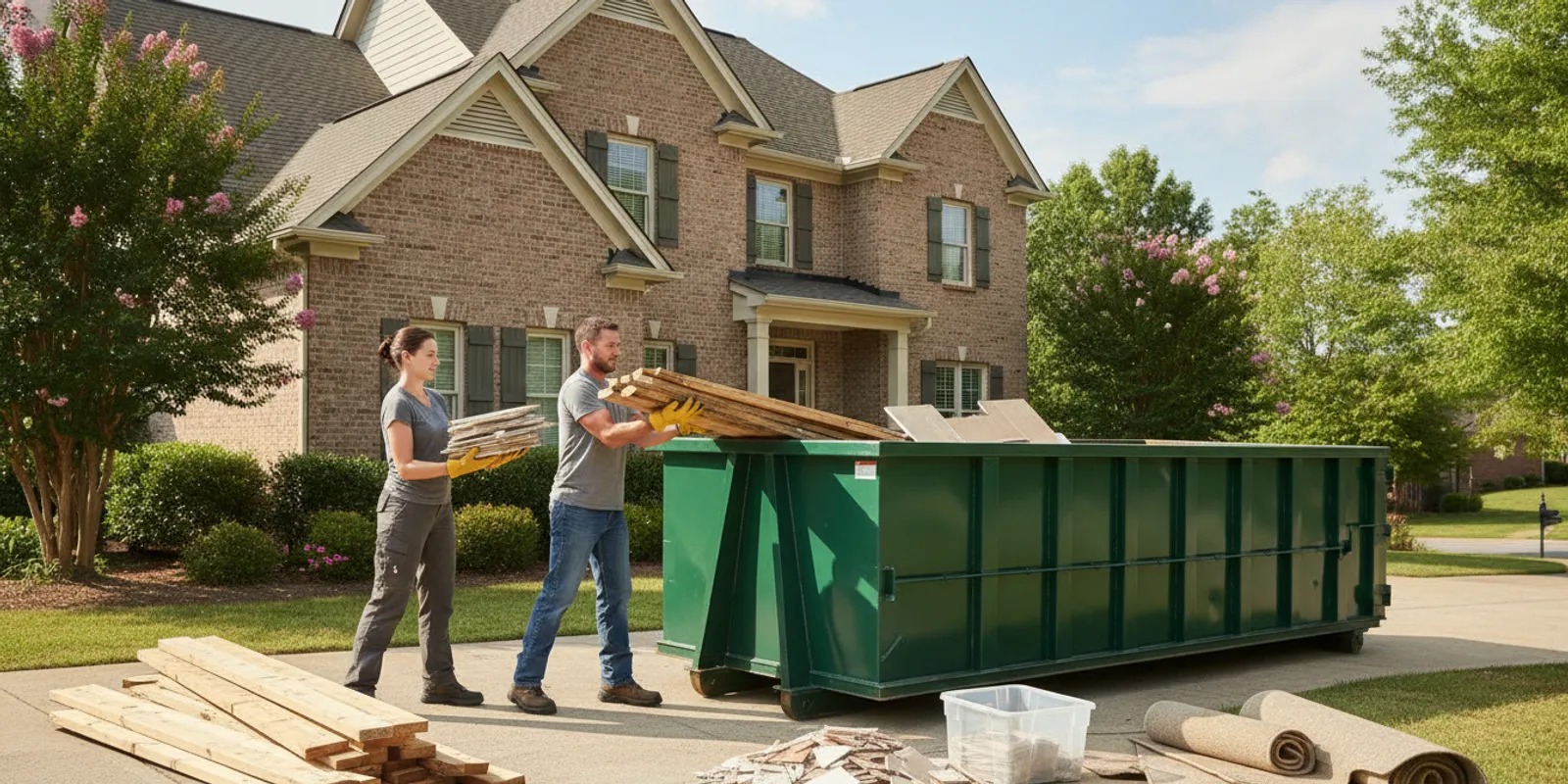
Knowing how to load a dumpster safely starts before the first item goes in. A little planning helps reduce lifting strain, prevent shifting piles, and keep the work area orderly while you clear out a home, renovation site, or business space.
Ask about disposal options for your project
What should you do before loading?
Begin by confirming what the rental includes and what materials are accepted. Check your booking details or ask the provider about restricted items, weight limits, overage terms, and pickup arrangements. Do not assume every item from a cleanout or construction job can go in the same container. Batteries, chemicals, paint, propane cylinders, electronics, appliances, and other special wastes may need a different route. Sort uncertain items aside until you have an answer.
For a dumpster rental, the customer loads the container at their own pace. Dumpsters On Demand specializes in 15-yard roll-off dumpsters, with rental periods ranging from one day to 14 or more days. The company’s stated base rental includes delivery, pickup, and two tons of disposal; confirm the terms that apply to your booking before loading. You can review current options on the dumpster prices page and learn more in this 15-yard dumpster rental guide.
Next, choose a clear, stable place to work. Keep the loading path free of cords, tools, loose scraps, and trip hazards. Check overhead clearance and the route between the materials and the container. If the dumpster is on a driveway, make sure vehicles and people can still pass safely. Dumpsters On Demand describes its containers as driveway-friendly, but the surface and access at each property still matter. Discuss placement questions before delivery, and review the company’s local dumpster rental information or service-area details as needed.
Prepare equipment that fits the work: sturdy gloves, closed-toe shoes with good traction, and eye protection when debris could create dust or flying fragments. Use a hand truck or dolly for suitable bulky objects, but do not try to move anything that is too heavy or awkward for you. Keep children, pets, and people not involved in the work away from the loading zone. For workplace projects, review relevant safety resources from the Occupational Safety and Health Administration and follow your organization’s procedures.
How can you plan a safer loading sequence?
Do not treat the dumpster as a place to toss everything in at random. Think about the project materials and the people moving them. A simple sequence limits unnecessary carrying and leaves a more stable load:
- Stage by type and size. Put similar materials together near the loading route. Keep fragile, sharp, or questionable items separate until you know how they should be handled.
- Start with suitable bulky items. Place large, stable pieces first when they are allowed and can be moved safely. Avoid creating a high or unstable platform for later items.
- Fill open spaces with smaller debris. Arrange manageable material to reduce large gaps, rather than throwing it from a distance or climbing into the container.
- Keep the load level and contained. Distribute material instead of building a peak on one side. Do not let debris extend beyond the top or interfere with the door, cover, or pickup process.
- Pause to reassess. Check for shifting pieces, exposed sharp edges, and a clear walkway before continuing. Stop if the load becomes difficult to handle safely.
Work from the ground whenever possible. Never climb onto debris or stand inside a container to rearrange the load. A pile can shift without warning, and the container’s sides can make it harder to step out. If an item cannot be placed from a safe position, pause and ask for help or choose another disposal method.
| Project material or situation | Safer loading approach | Check before proceeding |
|---|---|---|
| Furniture and bulky household items | Remove loose contents first when practical; use a helper or moving aid for large pieces. | Confirm the item is accepted and that you can move it without strain. |
| Boards, trim, and renovation debris | Carry manageable bundles; place long pieces in a stable direction without leaving them sticking out. | Check for nails, sharp edges, and any material-specific restrictions. |
| Small mixed debris | Use manageable containers or bundles, then distribute them through open areas. | Keep dust, sharp fragments, and trip hazards controlled during handling. |
| Heavy material or uncertain items | Set it aside rather than mixing it in automatically. | Ask the provider about acceptance, weight, and any special handling requirements. |
| A load approaching the top | Stop loading and inspect the pile from the ground. | Do not overfill or leave material above the container’s top edge. |
How do you lift and carry debris with less risk?
Choose a load you can control. Before picking something up, look at its shape, weight, grip points, and path. Remove loose parts that could fall, and clear the route before you lift. When an object is too heavy, long, or awkward to hold securely, do not test your limits. Break it down only if that can be done safely and the material is allowed, or ask another person to help with a coordinated lift.
For a lift, stand close to the object and keep your feet in a balanced position. Bend at your hips and knees rather than rounding your back, hold the object close to your body, and rise smoothly. Avoid twisting while carrying. Turn your feet to change direction, and set the item down if you need to change your grip or clear an obstacle. Take breaks before fatigue affects your balance or attention.
Team lifts need a plan. Agree who will lead, where the item is going, and when to lift and lower it. Keep hands away from pinch points and do not rush to match someone else’s pace. If the object is unstable or the route is narrow, use a different approach. A hand truck can help with suitable loads on a clear, level path, but it is not a reason to move an oversized item alone.
Pay attention to the weather and footing. Wet grass, mud, gravel, and slick driveway surfaces can make a load harder to control. Improve the route where possible, wear shoes with traction, and avoid carrying materials when visibility is poor. Keep work gloves in good condition so they do not snag or prevent a secure grip.
How can you keep the dumpster area organized?
Set up a staging area beside the route, not directly in front of the container or in a driveway’s travel path. Keep separate piles for accepted material, reusable items, and anything that needs a disposal answer. This reduces double-handling and makes it easier to notice a prohibited or misplaced item before it is buried.
Keep the dumpster door and access point clear. If the container has a door, follow the rental provider’s instructions for opening, using, and securing it. Do not force a door against a pile of debris. Avoid tossing items over the sides, especially heavy or sharp pieces. Lower material into place from a stable position so it does not bounce back or strike someone nearby.
Manage dust and small debris as you work. Avoid sweeping or throwing dust into the air; use a careful method suitable for the material and the surrounding area. Do not cut, break, or crush material unless you know it is safe and permitted. Keep tools out of walkways and return them to a designated spot after use. At the end of each work period, remove scraps from the route and check that no debris has rolled or blown into a public path.
If the project includes renovation or construction waste, separate material according to the job plan and any disposal instructions. For more planning ideas, see this guide to getting rid of construction debris. If you have a mix of bulky items and loose waste, compare self-loading with full-service junk removal, where a crew handles the lifting and hauling.
How can you manage a longer loading project?
For a project that takes more than one work session, make a short plan for each day rather than leaving the site in a half-finished state. Decide which room, work area, or material group comes first. Keep reusable items and donations away from the debris staging area so they do not get loaded by mistake. Give everyone helping a clear role, such as carrying approved materials, watching the path, or sorting items that need an answer.
Before each session, walk the route from the work area to the dumpster. Pick up loose scraps, move tools out of the way, and check that the container has room for the material you plan to handle. If the remaining space is limited, do not keep loading until debris is packed above the top. Reassess the plan and contact the provider about pickup timing or another suitable arrangement.
At the end of a session, leave the site orderly. Put sharp tools away, secure loose items that could blow or roll, and keep the access area open. Mark or isolate any material that still needs a disposal decision instead of leaving it mixed with accepted debris. These small resets make the next work period easier to start and reduce the chance that someone encounters an unexpected hazard.
For a homeowner clearing a garage, for example, a practical sequence is to identify items to keep or donate first, check disposal restrictions for the remaining items, and then bring accepted debris to the container in manageable batches. For a renovation, coordinate loading around the work so people are not carrying waste through an active cutting or demolition area. The exact order depends on the site, but separating tasks and keeping the route clear are useful in either case.
What should you avoid putting in or around the container?
The exact rules depend on the rental terms and local disposal requirements, so ask before loading anything unusual. Keep chemicals and other potentially hazardous household materials out unless the provider explicitly confirms acceptance. Do not conceal questionable material beneath other debris. It can create a disposal problem and force someone to handle it later without knowing what is there.
Do not put material above the container’s fill line or allow boards, branches, furniture parts, or other items to stick out. An overfilled or uneven load can create risks during handling and transport. Do not burn, compact, or climb on debris to make more room. If you are unsure whether the container has enough room, stop and contact the rental provider about next steps or a pickup plan.
Weight matters as well as volume. Dense materials can reach a weight limit before the dumpster looks full. Do not guess at the allowable load, particularly with concrete, soil, roofing debris, or other heavy material. Ask how the rental handles weight and what the terms mean for your specific project. A guide to how dumpster rental works can help you prepare questions, but your booking details control the service you have arranged.
When should you use a removal crew instead?
Self-loading works best when you have time, people who can safely handle the items, and a project that produces material the container can accept. Full-service removal may be a better fit when there are heavy or bulky objects, limited time, difficult access, or no one available to load. Dumpsters On Demand offers both dumpster rentals and full-service junk removal; crews handle the heavy lifting, loading, and hauling for the latter service.
Compare what each option asks of you. With a rental, you plan the loading and do the work, while the container gives you a place to collect debris over the agreed rental period. With full-service removal, you identify the items and arrange for a crew to remove them. The right choice depends on the amount and type of material, your schedule, access, physical ability, and the confirmed service terms. You can learn about junk removal options or contact the company to ask about a project that includes unusual items.
Arrange a junk removal appointment
Frequently asked questions
Can I climb into the dumpster to arrange the load?
No. Stay on the ground and do not climb onto debris or into the container. If material cannot be placed safely from outside, stop and ask the provider or choose another way to handle it.
Should I load the heaviest items first?
Start with suitable bulky items when they are accepted and can be moved safely, but do not use heavy debris as an unstable platform. Spread material out and follow any provider instructions about weight and loading.
Can I put any renovation waste in a rental dumpster?
No. Acceptance depends on the material and the rental terms. Ask about paint, chemicals, appliances, and other uncertain items before loading them, and keep items requiring a separate disposal route aside.
What if I am not sure the dumpster is full?
Stop loading and check from the ground. Keep all material below the top edge and make sure nothing blocks the door or extends beyond the container. Ask the provider if you are uncertain about capacity or weight.
A safe load begins with clear rules, manageable lifts, and a stable work area. Take your time, set aside materials that need special instructions, and stop whenever the next step does not feel controlled.

7 Responses