
A missed dumpster delivery can stall a Nashville jobsite before the first load leaves. Contractors searching for construction dumpsters near me need a local rental that keeps debris moving, crews productive, and cleanup terms clear.
Check dumpster availability and book online for your jobsite.
Construction dumpsters near me give local contractors a roll-off container for roofing, remodeling, demolition, and other jobsite debris without repeated dump runs. First confirm that the provider serves your address, accepts your materials, and can meet your schedule. Compare the container size, included weight, rental length, placement needs, pickup process, and every possible added charge before booking. Choose a clear drop zone with enough room for the delivery truck, then keep workers, vehicles, and loose materials out of its path.
For contractors in Nashville, Middle Tennessee, and Bowling Green, a dependable local rental plan starts well before the truck arrives. Use this guide to choose the right provider, prepare the site, manage debris, and keep cleanup from interrupting the build.
How to find construction dumpsters near me
The best way to find a dependable construction dumpster is to verify service at the exact jobsite, confirm availability for the work dates, and compare complete rental terms. Contractors should review container fit, accepted materials, access needs, included weight, pickup support, and possible added charges before booking.
Contractors searching for construction waste disposal bins should favor clear answers and complete terms over the lowest advertised starting price. Review the company’s Nashville dumpster rental service to confirm local fit and available options.
A practical local search process
- Search using the jobsite location. Use the town and ZIP code where the container will be placed, not the contractor’s office. Confirm that delivery, pickup, and disposal are available there.
- Check availability for the work dates. Ask whether a container is available for the desired delivery date and how pickup requests are handled. Confirm the process for extending the rental.
- Request complete rental terms. Get the included rental period, weight allowance, accepted materials, and possible added charges in writing.
- Describe delivery access. Tell the provider about gate width, surface type, overhead wires, slope, street traffic, and other obstacles.
- Ask who handles changes. Learn how to request pickup, an extension, or help when project conditions change.
Questions that prevent delays
Share the debris type, expected volume, project dates, and placement area when requesting a quote. If the load includes dense materials, review guidance on what can go in a heavy debris dumpster before choosing a container. Clear details help the provider explain weight limits and material restrictions before crews begin loading.
Ask for a written summary of the delivery window, rental length, pickup process, and potential charges. Also confirm whether the provider can support schedule changes during busy work phases. Local support matters when weather, inspections, and subcontractor schedules shift.
Is a 15-yard dumpster right for your construction job?
A 15-yard roll-off is a practical fit when a contractor needs one container for a focused phase of work. It suits many renovations, roofing projects, selective demolition jobs, and routine site cleanups. The right choice still depends on debris type, expected volume, placement space, and the pace of the job.
Match the container to the work phase
For a renovation, a 15-yard container can keep drywall, cabinets, flooring, wood, and packaging in one collection area. Roofing and demolition work may create debris faster, so plan around each tear-out phase. Do not assume that every material can be mixed or loaded the same way.
- Will the crew fill the container during one work phase or across several days?
- Does the debris include heavy, bulky, sharp, or restricted materials?
- Is there a clear, stable place for delivery and pickup?
- Will the project need pickup before the next trade begins?
If a project produces steady debris, a planned pickup can keep the work area clear without adding another container. A single 15-yard dumpster may suit a defined remodeling scope. Larger demolition phases may need scheduled swaps or additional service as the load grows.
Plan around weight as well as volume
Dense debris can reach a weight limit before a container looks full. Concrete, brick, dirt, roofing material, and similar loads need special planning. Describe these materials before booking and follow the provider’s loading rules. Keep all debris within the container walls and below the fill line.
Placement matters as much as size. Choose a stable area that lets the crew load safely while keeping access open for service. Account for gates, parked equipment, overhead obstacles, and the path the delivery truck must use.
What affects construction dumpster rental costs?
Construction dumpster rental costs depend on the jobsite location, debris type and weight, rental length, delivery access, service frequency, and overage terms. Give each provider the same project details and compare the complete terms, not just the advertised starting price, to understand the likely final bill.
Project location and access
Travel distance and local disposal requirements can affect a quote. A clear, firm placement area helps the driver complete delivery and pickup without added work. Tell the provider about gates, narrow drives, soft ground, steep slopes, or limited access hours before booking.
Debris, weight, and service frequency
Debris type matters because dense materials add weight quickly. Concrete, brick, soil, roofing, wood, and mixed renovation waste may have different loading or disposal terms. Estimate how quickly the crew will fill the container. A demolition phase may need more frequent pickups, which can change the total cost.
| Cost factor | Question to ask | Why it matters |
|---|---|---|
| Location | Is my jobsite inside the standard service area? | Travel and disposal requirements may affect the quote. |
| Debris | Which materials can go in this container? | Material rules can change loading and disposal terms. |
| Weight | What weight is included, and how are overages billed? | Heavy loads may create added charges. |
| Rental length | How many days are included? | Extra days may carry extension charges. |
| Extra service | How are swaps or added pickups handled? | Busy jobsites may need more service. |
| Access | What space does the delivery truck need? | Access problems can delay service. |
Compare complete terms, not a starting price
Match the rental period to the work schedule, then allow room for common delays. Ask when the rental clock starts, how extensions work, and when pickup must be requested. Dumpsters On Demand offers flexible rental periods from one day through 14 or more days, with extensions available.
Read each quote for included weight, prohibited items, extension charges, and failed delivery or pickup terms. The guide to residential and construction waste disposal costs can help you prepare questions without relying on unsupported price estimates. For another cost-focused reference, review the factors behind roll-off container rental prices.
Get pricing for a 15-yard dumpster before the next work phase begins.
Plan delivery and placement before the dumpster arrives
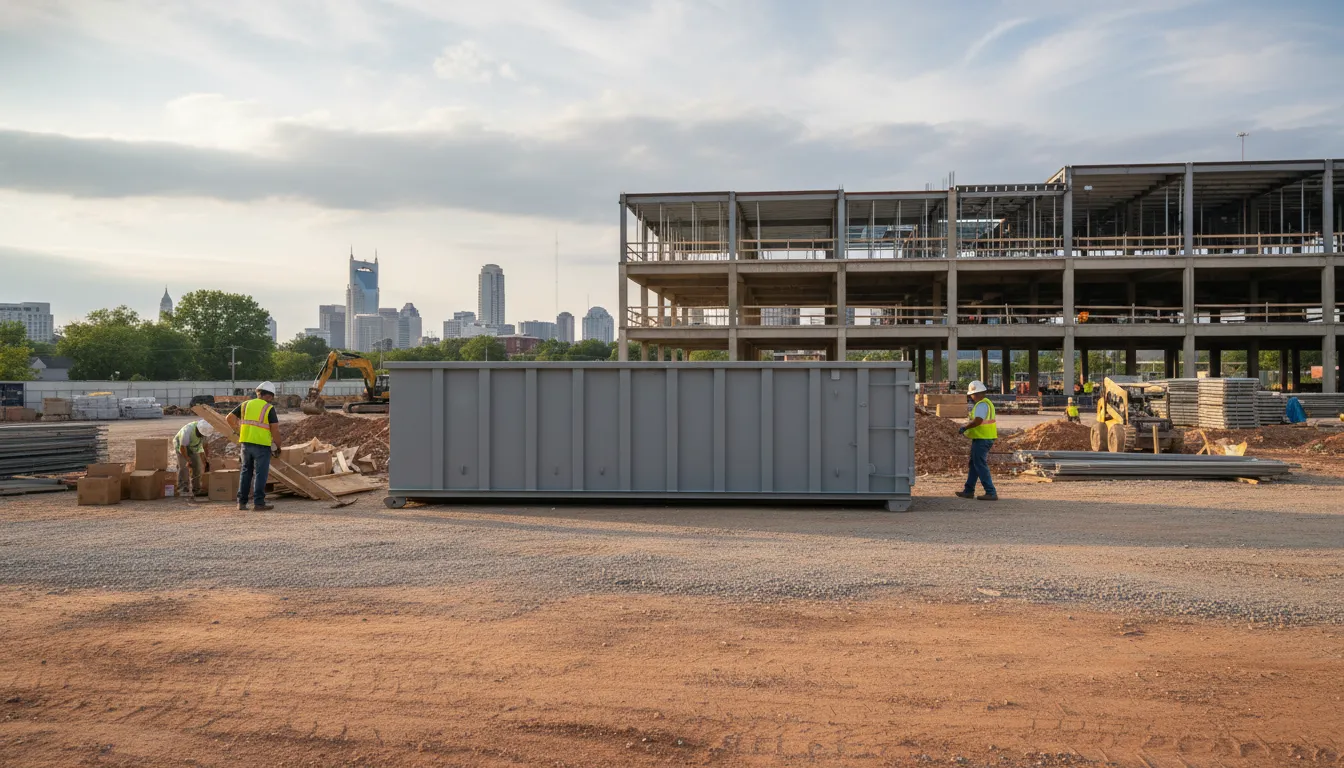
A smooth delivery starts with a clear plan, not with the truck waiting at the gate. Walk the jobsite before ordering and choose one waste collection area. The spot should keep the container close to the work without blocking crews, deliveries, emergency access, or daily traffic.
Clear the full delivery path
Trace the truck’s route from the street to the planned drop point. Open gates, move parked vehicles, and remove loose supplies before delivery. Check for low branches, wires, roof edges, and other overhead hazards. The driver needs enough open space to back in, place the container, and leave safely.
Choose a firm, level surface that can support the delivery truck and a loaded container. Avoid soft ground, steep slopes, septic areas, and spots where the dumpster may settle. Driveway-friendly equipment can help limit property damage, but contractors should still prepare the surface and keep the area clear.
Confirm permits and coordinate the crew
Confirm who controls the planned placement area before booking. A dumpster placed on a street, sidewalk, or other public space may require local approval. Ask the relevant city or county about permits, placement limits, and traffic controls early enough to avoid delays.
- Mark the drop point with cones or provide a clearly named site contact.
- Keep the access path open during delivery and pickup windows.
- Place the loading door where crews can reach it safely.
- Plan pickup before the container blocks the next trade or becomes overfilled.
Assign one person to meet the driver and confirm placement before the container is set down. Before pickup, remove tools and loose materials from around the dumpster. Confirm that no vehicle, scaffold, or new delivery blocks the truck’s route.
Contact Dumpsters On Demand to confirm placement and delivery access.
Know what can go in a construction dumpster
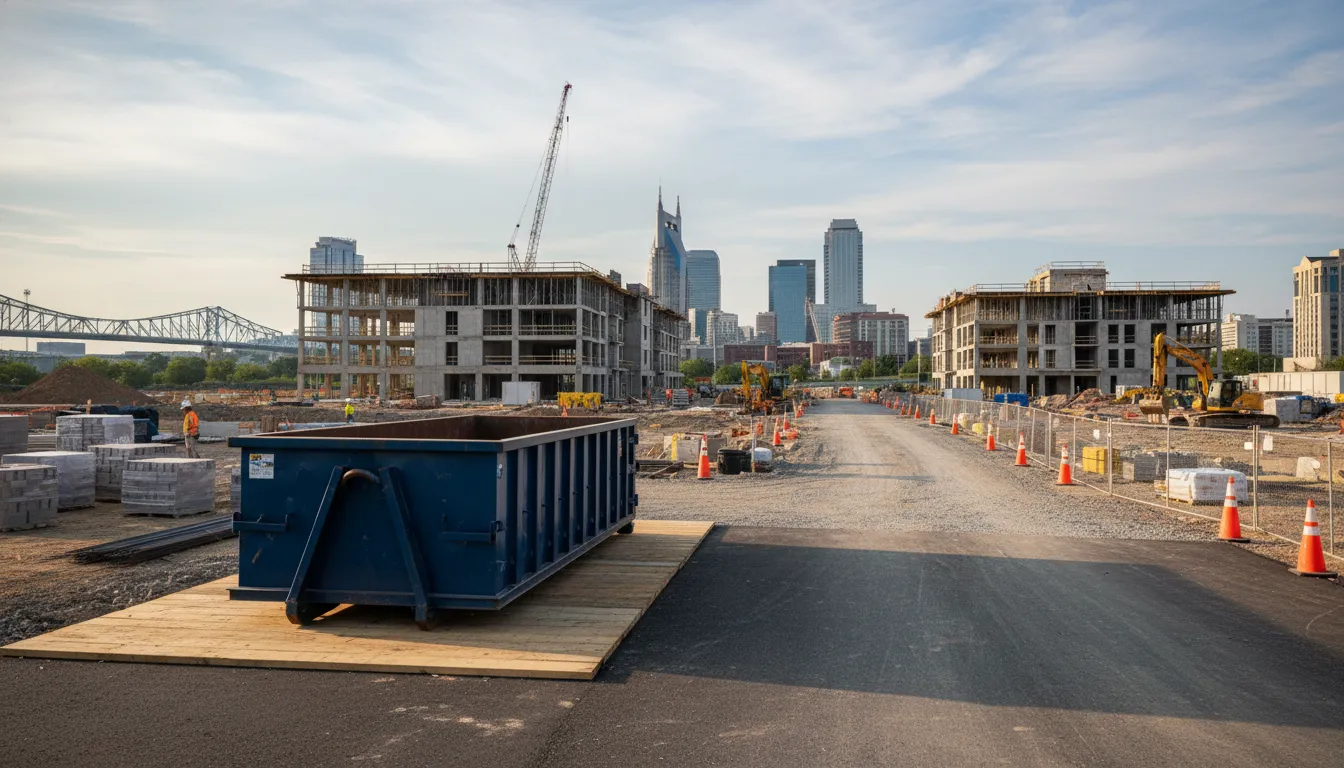
Construction dumpsters work well for many materials from repairs, remodeling, and light demolition, but every load must follow the provider’s material and weight rules. Before loading, describe the project and each debris type to the rental provider. The guide to getting rid of construction debris explains additional disposal options.
Common construction debris
Clean, dry building debris is often the simplest material to place in one container. Examples may include untreated lumber, drywall, siding, roofing shingles, cabinets, flooring, and non-recyclable packaging. Keep loose debris inside the container walls and do not fill above the top.
- Separate reusable fixtures, clean metal, and cardboard when practical.
- Break down bulky pieces so the load uses space efficiently.
- Keep liquids out until the provider confirms a safe disposal method.
- Ask before mixing debris from different project phases.
Concrete, brick, block, dirt, and similar dense materials need extra planning. Their weight can reach a limit long before the bin looks full. A clear material list helps the rental team explain the correct loading approach.
Items that always need confirmation
Some items require approval or separate handling because disposal facilities apply different rules. Ask about treated wood, appliances, tires, electronics, large stumps, and containers with unknown residue. Never assume an item is allowed simply because it came from a construction site.
Do not place chemicals, batteries, or suspected hazardous materials in a standard construction dumpster. Stop work around an unknown substance and ask the correct local authority or disposal facility for instructions. Dumpsters On Demand does not promise hazardous waste removal.
Share photos when a material is difficult to describe. Labels, product names, and the source of the debris can help the provider give clear guidance. If approval is uncertain, keep the item out of the bin until you receive an answer.
Keep your jobsite moving with a simple rental plan
Match the rental window to the schedule
Place dumpster delivery on the project schedule, not on a separate cleanup plan. Choose a delivery date before demolition, roofing, or tear-out begins. Then plan pickup around the phase that will create the most debris. This keeps scrap from taking over work areas or blocking access.
Rental periods can run from one day to 14 or more days, with extensions available when a job runs long. Same-day and next-day options may be available for urgent needs, but timing depends on current availability. Book early when possible, then confirm the delivery window and placement instructions before crews arrive.
Load with pickup in mind
Make the dumpster part of the daily site routine. Ask crews to break down bulky material, distribute weight appropriately, and keep debris below the fill line. Review allowed materials before loading heavy debris, since concrete, dirt, batteries, chemicals, and mixed waste may need different handling.
- Keep the delivery and pickup path free of parked trucks, tools, and material stacks.
- Assign one crew member to check the fill level at the end of each shift.
- Stop loading and call for guidance if the material type or weight changes.
Communicate before the plan changes
Job schedules move, and the dumpster plan should move with them. Contact the rental team when demolition expands, a subcontractor arrives early, or the container fills faster than expected. Early notice gives dispatch more time to plan a pickup, extension, or replacement.
Share the job address, site contact, gate notes, current fill level, and the date the next work phase begins. A short check-in can prevent a missed access window and keep the next crew task on track.
Why choose a local construction dumpster provider?
Local service with clear communication
A local provider understands roads, jobsites, and scheduling needs across Nashville, Middle Tennessee, and Bowling Green. That regional knowledge can make planning easier when a project shifts or debris builds faster than expected. Contractors also know who to call when they need a clear answer.
Dumpsters On Demand is locally owned, family-operated, and BBB-accredited. The team focuses on straightforward communication, transparent pricing, and prompt service. Contractors can review the local page for a 15-yard dumpster in Nashville when planning a project.
A focused 15-yard option
Dumpsters On Demand specializes in 15-yard roll-off dumpsters. This focused approach gives contractors a clear option for many remodels, cleanouts, and small to mid-sized construction jobs. The container is designed to be driveway-friendly, which matters on residential sites with limited space. Contractors comparing cleanup methods can also review junk removal versus dumpster rental.
A simple drop, fill, and haul process
The service model is direct: the team drops off the dumpster, your crew fills it, and the team hauls it away. Online booking is available around the clock. Before booking, share the address, debris type, timeline, and preferred placement area so the team can plan delivery and pickup.
Frequently asked questions about construction dumpsters
What size construction dumpster is available from Dumpsters On Demand?
Dumpsters On Demand specializes in 15-yard roll-off dumpsters. This versatile size works for many remodeling, roofing, demolition, and jobsite cleanup projects while fitting on many residential and light-commercial sites.
How much do construction dumpsters near me cost?
Pricing depends on delivery location, debris type and weight, rental length, and added service needs. Ask for a clear quote that explains the included period, weight allowance, accepted materials, and potential added charges.
Can I rent a construction dumpster for a short project?
Yes. Flexible rental periods range from one day to 14 or more days, with extensions available. Confirm current availability and the expected pickup process when booking.
What construction debris can go in the dumpster?
Many common renovation and construction materials may be accepted, but rules vary by material and weight. Describe the debris before booking, especially concrete, dirt, roofing material, or anything potentially hazardous.
How far ahead should contractors book?
Book as soon as the schedule and placement area are confirmed. Same-day and next-day delivery options may be available, but advance booking improves the chance of aligning delivery with the crew’s work sequence.
Book a construction dumpster for your next job
Keep debris organized and your crew focused with a locally delivered 15-yard roll-off dumpster. Dumpsters On Demand serves Nashville, Middle Tennessee, and Bowling Green with straightforward communication, flexible rental periods, and driveway-friendly service.
Book your dumpster online, call 615-971-3668 for Tennessee service, or call 270-776-7202 for Kentucky service.

2 Responses