
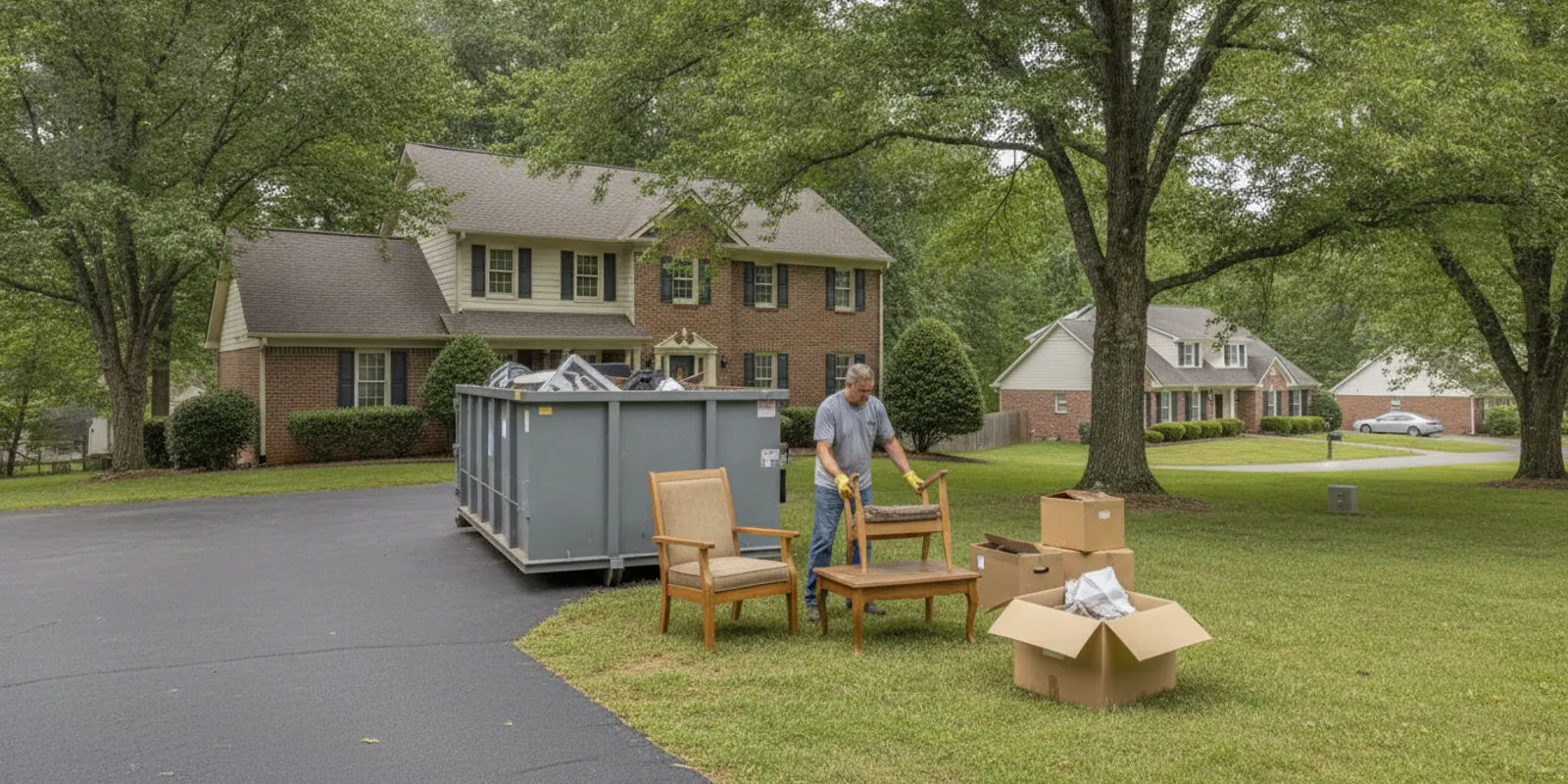
If you are comparing junk removal Brentwood TN options, start by asking how much help the job needs. A crew can do the lifting and hauling, while a dumpster gives you a place to load items over a set rental period. The right fit depends on the amount and type of material, your time, access to the property, and whether you want to handle the work yourself.
Ask about your Brentwood cleanout
What should you decide before arranging junk removal in Brentwood?
Before requesting service, make a quick inventory. Walk through each room, storage area, or work site and note what should leave. Separate items you plan to keep, donate, recycle, or discard. This prevents a useful item from ending up in a load by mistake and makes it easier to explain the project when you request an estimate.
Then consider four questions:
- How much is there? A few bulky pieces may be manageable with a pickup, while a room, garage, or renovation can create a larger, ongoing pile.
- Who will do the lifting? Full-service removal is useful when you do not want to carry items. A dumpster suits people who can load it themselves.
- How quickly must the space be clear? A one-time pickup can finish a small job quickly. A container can stay while you work through a project, subject to the rental period.
- What is in the pile? Furniture, appliances, renovation debris, and mixed household contents may have different handling requirements. Share a clear list before booking.
Take photos of the items and the path from the work area to the driveway or pickup point. Mention stairs, narrow halls, gates, low branches, parked vehicles, or other access limits. Those details help you compare options based on the actual job rather than a vague description such as “a lot of junk.”
Should you hire a crew or rent a dumpster?
The main choice is between having a team load and haul items for you or loading a container on your own schedule. Dumpsters On Demand offers both full-service junk removal and roll-off rentals. Its rental offering focuses on a driveway-friendly 15-yard dumpster. Use the comparison below to decide which service to ask about first.
| Option | Who handles the work? | Often a practical fit for | What to check |
|---|---|---|---|
| Full-service junk removal | A crew handles lifting, loading, and hauling. | A few large items, a cleanout, or a job where you want help with the physical work. | Item list, access, crew availability, and how the estimate is calculated. |
| 15-yard dumpster rental | You load the container; the provider delivers and picks it up. | A renovation, garage cleanout, or project that creates debris over several days. | Placement, included disposal allowance, rental length, and accepted materials. |
| Donation or recycling drop-off | You sort, transport, and deliver items to an appropriate destination. | Usable goods or materials that an accepting facility can take. | Condition, drop-off rules, hours, and transportation needs. |
| Municipal or property-managed pickup | You follow the applicable local or property process. | An item that qualifies for a scheduled local collection. | Eligibility, booking windows, item limits, and preparation instructions. |
A crew is convenient when you want someone else to do the heavy lifting or need bulky items removed from inside the property. It can also make sense when you have a defined pile and want a one-time haul. Ask whether the quote depends on volume, item type, labor, or other job details, and whether any items need to be handled separately.
A dumpster can be a better match when you are doing the loading and expect debris to accumulate as work proceeds. The company’s 15-yard containers are intended as a middle-size option for projects that need more room than a small container. Its rental terms include options from one day to 14 or more days, and the rental includes delivery, pickup, and two tons of disposal. Confirm the current terms and whether your material fits before reserving.
Explore the dumpster sizes and pricing information when you are considering the self-load approach. If the project is mostly a few bulky household items and you do not want to load them, compare that with bulk pickup service and ask which option best matches your list and address.
How can you match the service to a Brentwood project?
Project type is a useful starting point, but the amount of labor and the pace of the work matter just as much. Here are common situations and the questions to ask.
Furniture, appliances, and a few bulky items
For a sofa, mattress, appliance, or several large pieces, measure doorways and note whether the item is upstairs or difficult to reach. If you cannot or would rather not carry it, ask about furniture removal or appliance handling. If the items are already outside and ready to go, explain that when you request a quote. Do not assume an appliance can be left in a general load; ask whether it needs special handling.
Garage, attic, or whole-room cleanout
First set aside anything to keep, sell, or donate. Then estimate how much remains and whether it will be ready all at once. A crew can be helpful if the cleanout includes heavy furniture or items throughout the house. A dumpster may suit a staged cleanout if you can carry items to it and want to sort over several days. For a larger house project, this estate cleanout overview offers another planning reference; confirm service details for your specific address.
Renovation and construction debris
Renovation work can produce debris in waves: cabinets or flooring come out first, then packaging and finishing materials. A container can keep the work area clearer while the job moves forward, provided the materials are accepted and loaded within the rental terms. Describe the materials, project timeline, and expected volume before booking. Heavy materials can reach weight limits before a container looks full, so ask about weight allowances rather than judging capacity by appearance alone.
Review a practical guide to construction debris removal before you start. Separate materials that may need different handling, and do not put prohibited or uncertain items into a container until the provider confirms they are accepted.
Business, office, or property turnover
For a business cleanout, identify the items, the work area, and any limits on when a crew or container can access the site. A property manager may need to coordinate with tenants, building management, or a contractor. Ask how the pickup or delivery window works and whether the work can be completed without blocking customer access, loading areas, or neighboring spaces. For a commercial pile, a photo and item list can make the initial conversation more productive.
What should you check about access and placement?
A suitable service still needs a workable route to the items or a safe place for a container. For full-service hauling, check the path from the room or yard to the pickup location. Clear loose obstacles, secure pets, and flag stairs, tight turns, or surfaces that may be difficult to cross. Ask the provider what preparation is expected rather than moving heavy items before you know the plan.
For a dumpster, consider driveway space, turning room, overhead branches, and whether vehicles can be moved for delivery and pickup. Share photos of the intended placement area. The company’s containers are described as driveway-friendly, but every property is different; confirm the location and any surface-protection needs with the provider. If the container would sit on a street or other public space, check with the appropriate local authority about permission before scheduling. Do not assume a private driveway or a public curb has the same requirements.
Brentwood homeowners may also need to check neighborhood or homeowners association rules. Businesses should confirm loading-area access and property-management requirements. These checks are especially important when a job has a narrow delivery window or the work site is shared.
How can you plan disposal and recycling responsibly?
Sort items before pickup when practical. Keep usable furniture, clothing, and household goods separate from broken or contaminated debris. Ask local charities or reuse organizations whether they accept the goods and what condition they require; acceptance policies vary. Recycle only materials accepted by a facility or collection program. A recycling symbol or the fact that an item is metal does not, by itself, mean every drop-off location will take it.
For items with unclear handling rules, ask the service provider before setting them out or loading them. Batteries, paint, chemicals, electronics, and appliances can have special requirements that vary by item and local facility. Keep them separate until you have instructions. The U.S. Environmental Protection Agency’s website is a starting point for general waste-reduction and recycling information; local acceptance rules still need to be confirmed.
Dumpsters On Demand describes a disposal priority of donation where possible, then recycling, with landfill disposal as a last resort. Ask how that approach applies to your particular items and what cannot be diverted. This is more useful than assuming that every load will be recycled or that every donation center can accept everything.
How do you compare estimates without surprises?
Compare quotes using the same description of the job. Include the item list, amount, location, access conditions, and preferred timing. For a dumpster rental, ask what the quoted amount includes, how the rental period is counted, the weight allowance, what happens if you need more time, and how extra weight is charged. For crew removal, ask how the amount is measured, what labor is included, and whether the quote could change if the pile differs from the photos or list.
Do not compare only the first number you hear. One quote may include delivery, pickup, and disposal within a stated allowance, while another may describe a different service or scope. Confirm whether sorting, carrying from inside the home, stairs, and special items are included. If there is anything you do not understand, request clarification before agreeing.
Dumpsters On Demand lists upfront pricing and includes delivery, pickup, and two tons of disposal with its dumpster rental. Current rates and terms can change, so verify them directly. You can review the company’s dumpster pricing page or contact the team with a project description. For a service-area check, use the service area page; Brentwood is listed among the areas served, but confirm coverage for your exact address.
What should you ask before booking?
A brief checklist helps keep the conversation focused. Have your address, project date, photos, and an item list ready. Then ask:
- Is my address in the current service area?
- Does the list of items fit your service, and are any items excluded or handled separately?
- For a dumpster, what size is available, where can it be placed, and what are the rental period and weight terms?
- For a crew, what is included in the estimate, and what should be moved or prepared before arrival?
- What are the available delivery, pickup, or removal windows?
- How should I prepare the access route and protect the work area?
- What should I do with items that may be donated, recycled, or subject to special disposal rules?
The company lists the Tennessee phone number (615) 971-3668. You can also use the online appointment page to begin arranging service. Share the same project details either way so the team can direct you to the appropriate option.
Schedule a junk removal appointment
Frequently asked questions
Does Dumpsters On Demand serve Brentwood, TN?
Brentwood is listed in the company’s service area. Confirm your exact address, project type, and scheduling options directly before making plans.
When should I choose a dumpster instead of full-service junk removal?
Consider a dumpster when you can load the materials yourself and want time to work through a project. Choose full-service removal when you want a crew to handle lifting, loading, and hauling. An item list and photos can help you compare.
What size dumpster does the company offer?
The company specializes in 15-yard roll-off dumpsters. Ask whether that capacity and the included weight allowance are appropriate for your specific material, since heavy debris can reach weight limits sooner than lighter household items.
Can I put any household or renovation item in the dumpster?
No. Accepted materials and special handling requirements can vary. Tell the provider what you plan to discard and ask for approval before loading items with uncertain disposal rules.
How do I get started?
Make a short inventory, take photos, note access or placement concerns, and confirm that your address is served. Then contact the company at (615) 971-3668 or use its online appointment page to discuss the right service.
A little planning makes it easier to select a service that fits the work, avoid last-minute access problems, and know what will happen to the items you are clearing out.

2 Responses