
A remodel can transform a Nashville home. It can also leave a driveway or jobsite covered with drywall, flooring, cabinets, packaging, and other unwanted material. For dependable debris removal Nashville property owners and contractors need a plan that matches the waste, project pace, available space, and desired hands-on work.
For commercial properties preparing for a transition, office furniture and administrative waste require unique disposal methods. Check out our guide on choosing between dumpster rentals and junk removal for an office cleanout in Nashville.
Book your Nashville debris removal dumpster today to keep renovation waste contained from the first demolition day through final pickup.
The best solution is often a roll-off dumpster when debris will build up over several days. It keeps the work area organized, lets the crew load materials as they go, and avoids repeated trips for disposal. Full-service junk removal or municipal collection may be better for certain small or specialized cleanups. This guide explains the differences and helps you prepare for a smooth pickup.
Debris removal Nashville options for remodels
For most multi-day Nashville remodels, debris removal is simplest with a roll-off dumpster placed near the work area. It lets crews load waste as it appears, keeps the site organized, and reduces repeat hauling. Junk removal suits ready-to-go piles, while self-hauling or municipal pickup can fit smaller eligible loads.
Nashville cleanup projects generally have four practical disposal options: a roll-off dumpster, full-service junk hauling, self-hauling, or a municipal collection program when the material qualifies. The right choice depends on debris type, volume, timeline, labor, and access.
| Option | Best fit | What to consider |
|---|---|---|
| Roll-off dumpster | Multi-day remodels and larger cleanouts | You load at your pace and schedule pickup |
| Full-service junk removal | Short cleanups when loading help is important | Crew access and material eligibility matter |
| Self-hauling | Small loads and access to a suitable vehicle | Requires loading, transport, unloading, and disposal planning |
| Municipal collection | Eligible household, brush, or bulk material | Rules and collection schedules vary by material |
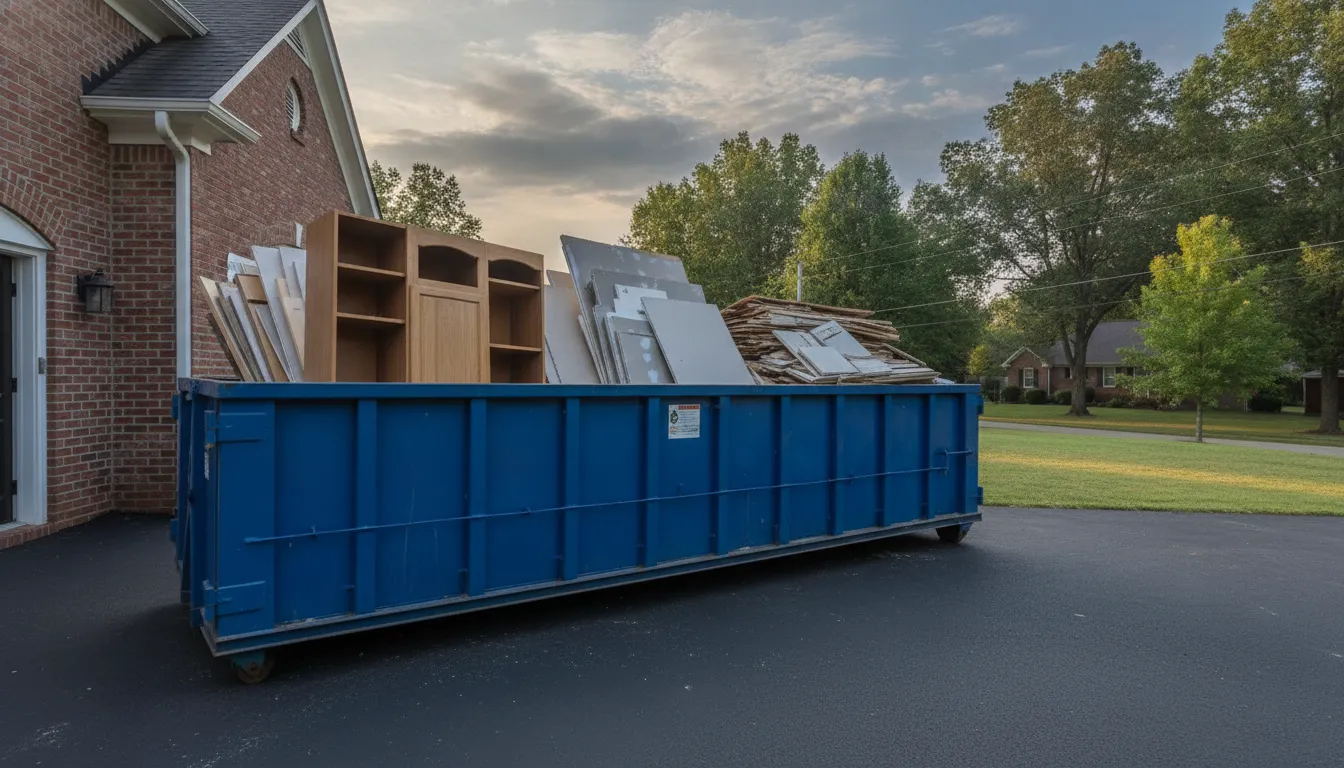
A dumpster is especially useful when demolition and installation happen in stages. Workers can move debris out of the active area throughout the project instead of building a pile that must be handled again later.
Why local project details matter in Nashville
Nashville projects range from compact urban renovations to cleanups on larger suburban properties. Each site presents a different delivery path, loading area, and project schedule. Sharing those details before delivery helps the rental team plan the service and helps you avoid moving materials twice.
Access can shape the cleanup plan
A narrow driveway, alley, parked vehicles, landscaping, or active contractor equipment can limit placement options. Walk the intended route before booking. Measure gates where needed, look upward for branches or wires, and decide how the crew will keep the route open on delivery and pickup days.
Weather changes working conditions
Rain can make loose debris harder to handle and may affect unpaved areas. Hot weather can make long loading sessions tiring. Keep the worksite orderly, use suitable protective equipment, and load in manageable stages instead of rushing at the end.
Neighborhood activity matters
Think about traffic, shared access, service schedules, and any property rules that apply to the placement area. Confirm permissions when you do not control the intended spot. Keeping the container on private property where approved can simplify access and reduce disruption.
Which cleanup projects work well with a dumpster?
A roll-off dumpster works well for many residential and commercial projects that create a steady stream of nonhazardous debris. Dumpsters On Demand specializes in 15-yard dumpsters measuring approximately 12 feet long, 8 feet wide, and 4.5 feet high. This practical size fits many renovations and property cleanups while holding 15 cubic yards of material. See the company’s 15-yard dumpster details before choosing a container. Always describe the project and materials when booking so the team can confirm fit and accepted items.
Kitchen and bathroom remodels
Cabinets, countertops, fixtures, flooring, tile, drywall, and packaging can quickly crowd a work area. Placing a dumpster near the project helps crews keep walkways clear and reduces repeated handling.
Flooring and interior updates
Old carpet, underlayment, trim, damaged drywall, and other interior materials are awkward to store. Loading them during removal keeps the next phase of work moving.
Garage, estate, and property cleanouts
Cleanouts often uncover a mix of furniture, boxes, household items, and general clutter. Review the company’s accepted-material rules before loading appliances, electronics, paint, batteries, chemicals, or other regulated items.
Construction and contractor projects
Contractors can use one container as a central debris point while multiple trades work. For more disposal guidance, read the company’s guide on how to get rid of construction debris.
How to plan debris removal for a Nashville project
- List the materials. Walk through the project scope and identify what will be removed. Separate ordinary construction debris from items that may need special handling.
- Estimate the volume. Think about the full project, not only the first demolition day. Cabinets, flooring, drywall, packaging, and cleanout items can occupy more room than expected.
- Confirm accepted items. Tell the rental provider what you plan to load. Never assume hazardous, liquid, electronic, or unusually heavy materials can go into a standard container.
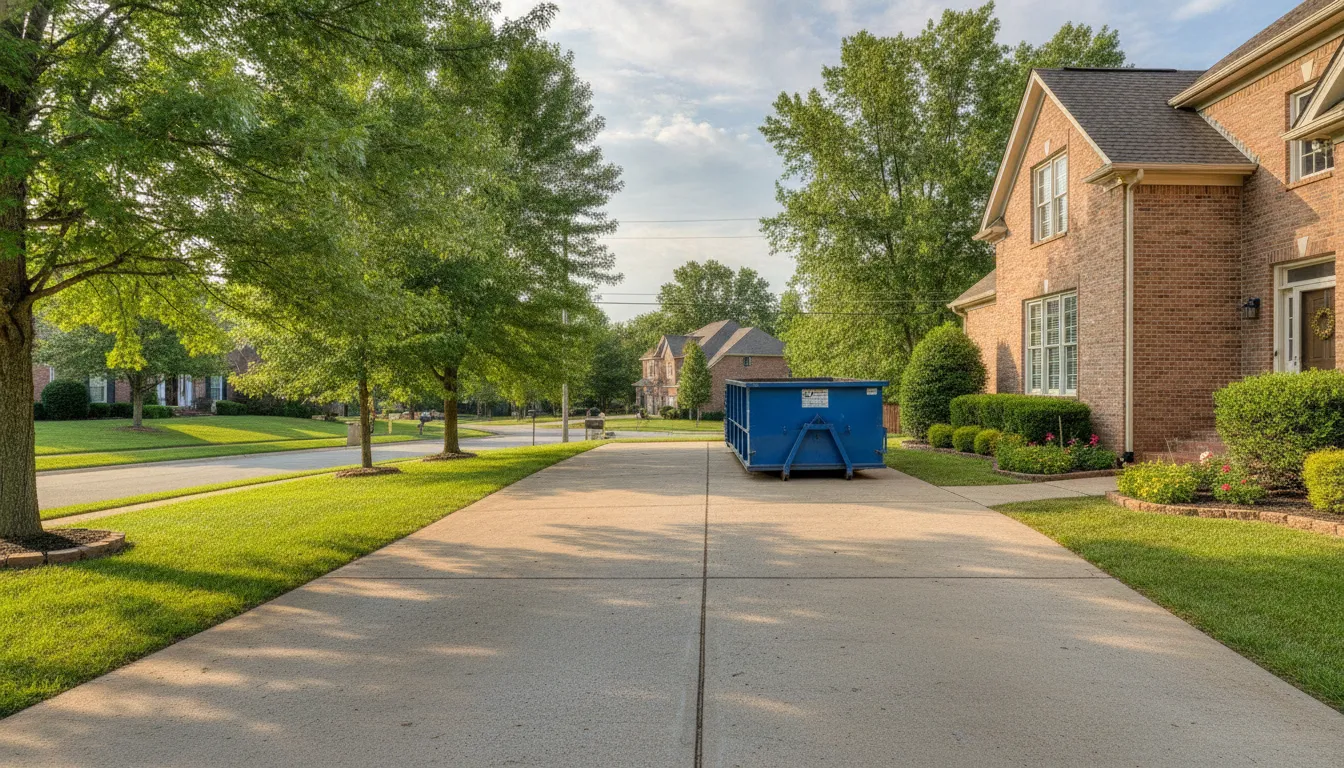
- Choose a placement area. Select a stable, accessible spot with room for delivery and pickup. Keep vehicles, equipment, branches, and overhead obstructions away from the access path.
- Coordinate the schedule. Arrange delivery before debris begins accumulating. Build pickup timing into the project plan so the container does not block later work.
- Load safely. Distribute materials throughout the container, keep debris within the allowed fill level, and avoid leaving sharp or unstable items exposed.
- Prepare for pickup. Clear the route, check the area around the dumpster, and confirm that the load is ready before the scheduled service.
Planning these steps before demolition starts helps avoid delays. It also gives the rental team enough information to recommend the right service for your site.
How to estimate debris before booking
You do not need a perfect calculation, but a thoughtful estimate gives the provider useful information. Start with the project scope and list every area being removed. Include demolition material, old fixtures, packaging, and cleanout items that may be added while work is underway.
Picture the debris after removal
Installed materials often look smaller than they will after demolition. Cabinets, trim, carpet, and drywall take up space once removed. Break down items only when it is safe and practical, then account for space between irregular pieces.
Separate heavy material from bulky material
A pile can be small in volume but heavy in weight. Dense debris may require special planning even when it does not fill much space. Tell the provider about concrete, dirt, masonry, tile, roofing, or other heavy materials before ordering.
Plan for the unexpected
Renovations often reveal damaged material or extra items that were not visible at the start. Build a reasonable cushion into your estimate and discuss uncertainty with the rental team. Honest details are more useful than trying to make the project sound smaller.
What affects debris removal costs in Nashville?
Debris removal pricing depends on the service you choose and the details of the project. Avoid comparing quotes by the headline number alone. Ask what the quote includes and which project conditions could change the final total.
Debris type and weight
Material type matters because heavy debris can affect handling and disposal requirements. Describe dense materials such as concrete, dirt, roofing, or tile before booking rather than loading first and asking later.
Rental period and project pace
A clear project schedule helps you choose an appropriate rental period. If demolition pauses or a contractor schedule shifts, contact the provider early to discuss options.
Delivery area and site access
Travel distance, driveway access, overhead clearance, and placement conditions can influence service planning. Accurate site details help the delivery team prepare and reduce surprises.
Included service and possible extras
Ask about delivery, pickup, weight allowances, rental duration, prohibited materials, and any possible extra-service charges. Dumpsters On Demand emphasizes transparent pricing, so sharing complete project details is the best way to get a useful quote.
Get pricing for a Nashville dumpster rental after sharing your debris type, project dates, and placement conditions.
Prepare the site and load debris safely
A little preparation protects the work area and makes delivery and pickup easier. Choose a firm, level placement area that is accessible to the delivery vehicle. Move parked cars, trailers, tools, and materials before the scheduled arrival window. Check for gates, low branches, wires, roof overhangs, and other obstacles.
Keep the loading area organized
Set a clear path between the active work zone and the dumpster. Do not let loose debris create a tripping hazard. If several trades are working, explain where materials belong and which items must stay out of the container.
Distribute the load
Place debris throughout the dumpster instead of concentrating everything in one corner. Break down bulky items when safe and practical. Keep all material within the container’s permitted fill level so it can be transported safely.
Protect people and property
Wear suitable protective equipment when handling sharp or dusty materials. Keep children, pets, and unauthorized people away from the container and work zone. If you have concerns about driveway conditions or placement, discuss them before delivery.
A simple cleanup workflow for remodel day
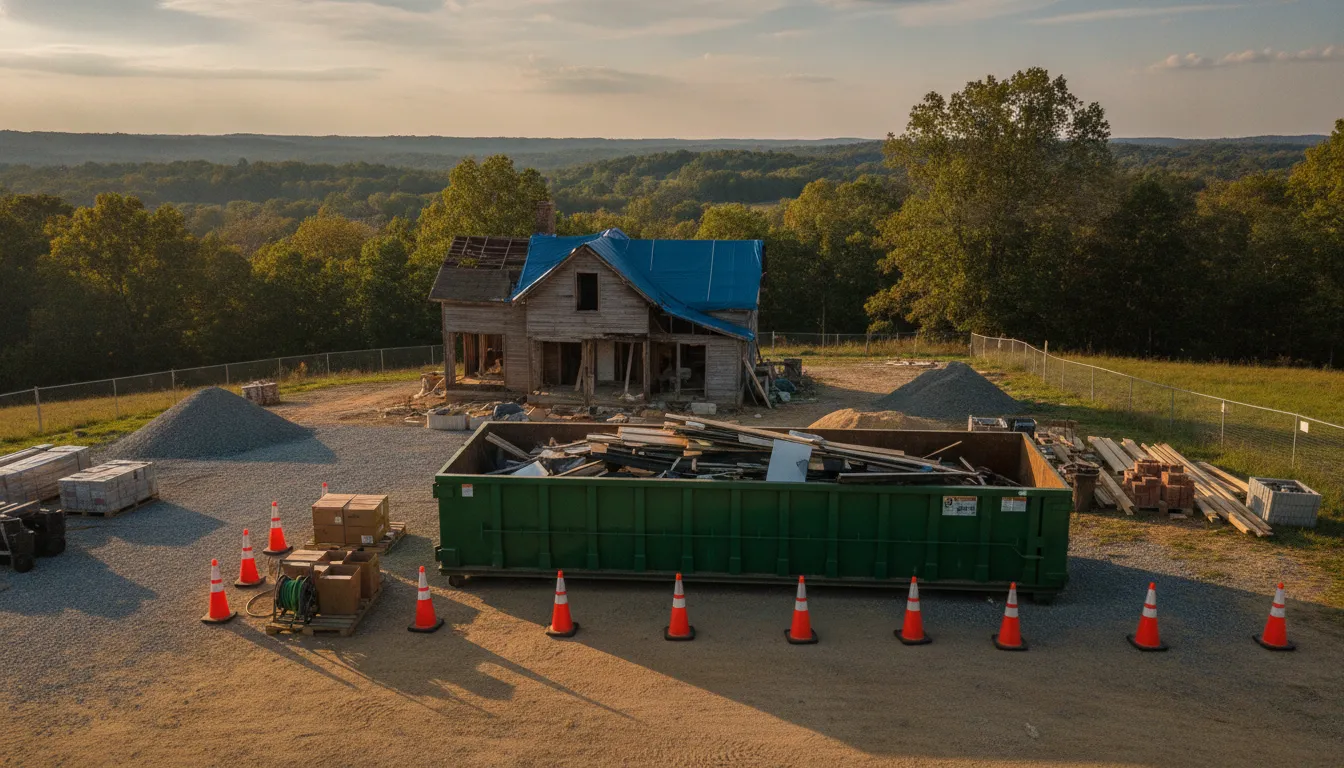
The most efficient cleanup is part of the work plan, not a separate task saved for the end. Assign responsibilities before demolition starts. Make sure everyone knows the route to the dumpster and which materials must be separated.
Start with source separation
Set aside items that cannot go into the dumpster before they become mixed with ordinary debris. Mark separate areas for donation, recycling, special handling, and disposal when those paths apply. A few labeled zones can prevent confusion during a busy workday.
Use short cleanup cycles
Move debris out after each phase of demolition instead of waiting for one large cleanup. Short cycles keep the active area easier to navigate. They also show whether the container is filling faster than planned.
Check the load before everyone leaves
At the end of each workday, inspect the route and container. Make sure debris is stable, nothing prohibited was added, and material stays within the permitted fill level. Correcting an issue early is easier than finding it on pickup day.
Communicate changes early
If the scope grows, the schedule shifts, or new material appears, contact the provider. Early communication gives everyone more options and helps keep the cleanup aligned with the project.
Dumpster rental or junk removal: which should you choose?
Choose a dumpster when the project lasts several days, you want to load at your own pace, or debris will appear in stages. Choose full-service junk removal when the cleanup is ready at once and you want a crew to handle much of the lifting and loading.
For a deeper comparison, see junk removal vs. dumpster rental. Property cleanouts may also benefit from the company’s Nashville estate cleanout services. If you need a crew-assisted appointment, use the junk removal appointment page.
Some projects combine both services. A dumpster can handle planned renovation debris while a hauling crew removes bulky items or material that requires a different process. Confirm every material and service need before work begins.
For a construction-focused overview, compare this plan with the construction dumpsters near Nashville guide, the cluster pillar for local construction cleanup decisions.
Frequently asked questions
What is the easiest way to remove remodeling debris?
For a multi-day remodeling project, a roll-off dumpster is often the easiest option because you can load debris as work progresses. For a small cleanup that is already piled and ready, full-service junk removal may require less labor from you.
Can construction debris go in a dumpster?
Many common construction materials may be suitable, but accepted items and limits vary. Describe all materials before booking, especially heavy, liquid, hazardous, electronic, or regulated items.
How do I choose a dumpster size?
Estimate the full project’s debris volume and explain the job to the provider. Dumpsters On Demand specializes in 15-yard dumpsters and can help determine whether that size fits the cleanup.
Where should a dumpster be placed?
Select a stable, accessible area with enough room for delivery and pickup. Clear vehicles, equipment, low branches, wires, and other obstructions before service.
How can I get an accurate debris removal quote?
Share the project address, material types, estimated volume, preferred dates, access conditions, and expected rental duration. Complete information helps the provider explain included service and potential extras.
Book debris removal in Nashville
A well-planned cleanup keeps your remodel safer, more organized, and easier to finish. Dumpsters On Demand offers local service, transparent pricing, and 15-yard dumpster specialization for projects across the Nashville area. Confirm materials, placement, and timing before work begins, then keep debris moving out of the active workspace.

2 Responses