After a Nashville storm, debris can spread across a driveway and yard before the cleanup plan is clear. Broken limbs, wet drywall, roofing, fencing, concrete, and brick may all be mixed together. The first decision is whether the material fits the city’s collection process or needs a container you control.
Book your storm debris dumpster online
For storm debris cleanup Nashville residents need handled quickly, a driveway-friendly 15-yard roll-off dumpster provides a practical private option. It holds mixed storm and construction debris at the property. The container accepts heavy materials when properly loaded, helping homeowners start urgent repairs without waiting for a public collection route.
Nashville provides storm-related debris guidance and public right-of-way removal requests, but those services have rules for placement, material separation, and timing. A private dumpster gives you more control over debris that remains on your property, including concrete, brick, and other heavy construction rubble. Start by identifying the city’s role, then choose the disposal method that fits the material and urgency.
Does Nashville Pick Up Storm Debris After a Storm?
Metro Nashville may activate special storm debris collection after a major event, but the program, timing, placement rules, and accepted materials can vary. City crews primarily address qualifying vegetation and public rights-of-way. They do not automatically remove every mixed load from private property, so confirm current instructions before moving debris to the curb.
Special collection programs can include a deadline for moving storm-related brush to the curb and instructions about what the city will collect. The Nashville Department of Transportation coordinates debris removal from public rights-of-way. City crews primarily clear public access and qualifying vegetation debris. They do not haul every load from a private property. Nashville’s special vegetation debris collection guidance is the best place to check current instructions.
How to place brush for city collection
When Nashville provides a special collection, place qualifying brush and vegetation at the curb edge as directed, away from sidewalks and streets. This keeps sidewalks and travel lanes open for pedestrians, vehicles, and utility workers. A pile that blocks a sidewalk or extends into the travel lane may create a hazard and may not be handled as intended.
Do not combine every kind of storm waste into one pile. Nashville guidance may require vegetation debris to remain separate from construction and demolition materials, so branches, limbs, and brush should stay distinct from drywall, roofing, and masonry. Check the city’s collection rules for current sorting and placement requirements.
How to request debris removal
If debris is in a public right-of-way, use the Nashville Hub debris-removal request portal. That portal is intended for public right-of-way debris. It does not replace a disposal plan for storm waste sitting on private property. Especially when the material includes roofing, flooring, drywall, concrete, brick, or other heavy construction debris.
For a private-property cleanup that cannot wait for a city collection window, separate the materials first and choose a disposal option that accepts the full load. This keeps curbside vegetation eligible for the city program while giving you a practical way to clear non-vegetation debris.
How a Storm Debris Cleanup Nashville Service Handles Heavy Materials
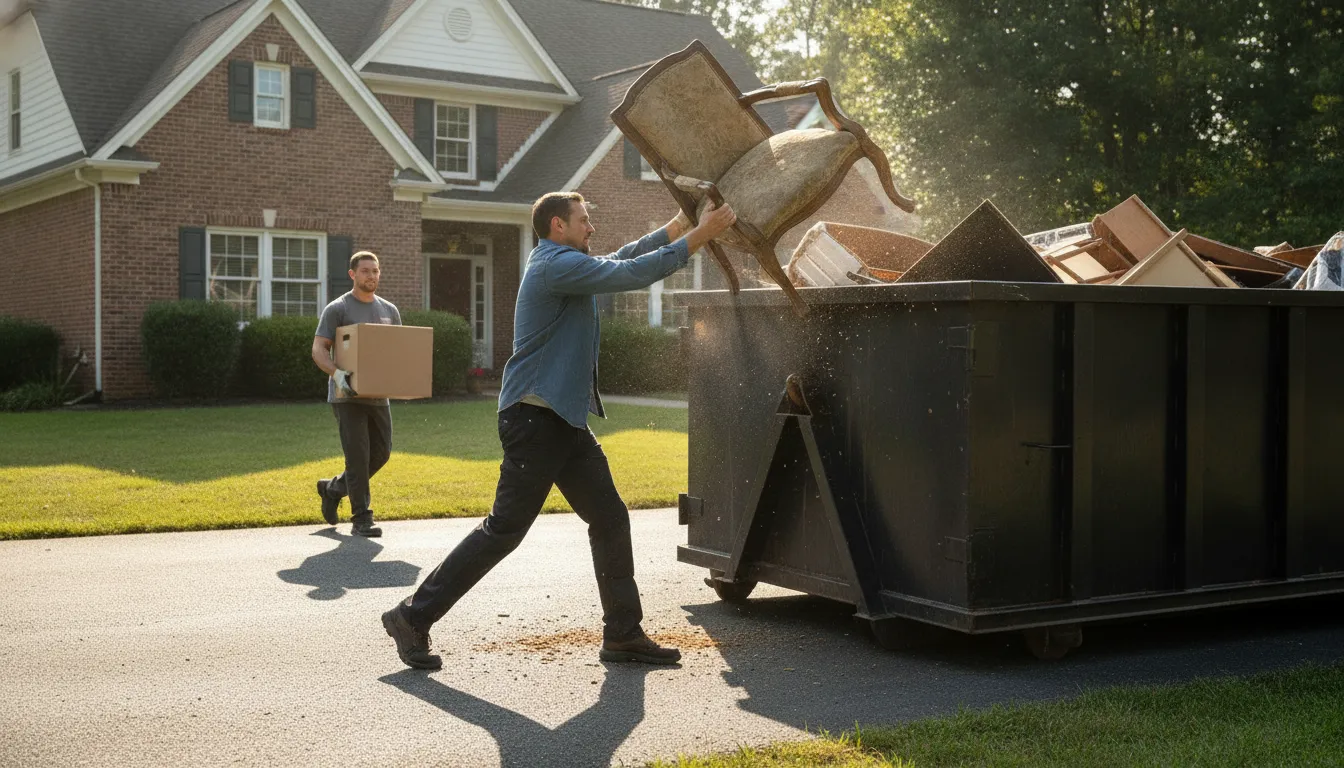
A private storm debris cleanup Nashville service can contain concrete, brick, masonry, damaged fencing, and other dense construction rubble at the property. Dumpsters On Demand accepts concrete, brick, and heavy construction materials under its loading requirements, giving homeowners and contractors a more flexible alternative when curbside collection is limited.
After severe weather, a Nashville property may have more than branches and bagged household waste. Broken masonry, chunks of concrete, brick, damaged fencing, and construction rubble can quickly make a cleanup too heavy for ordinary curbside collection. A private container lets homeowners and contractors organize those materials at the property instead of waiting to learn whether a city truck can accept them.
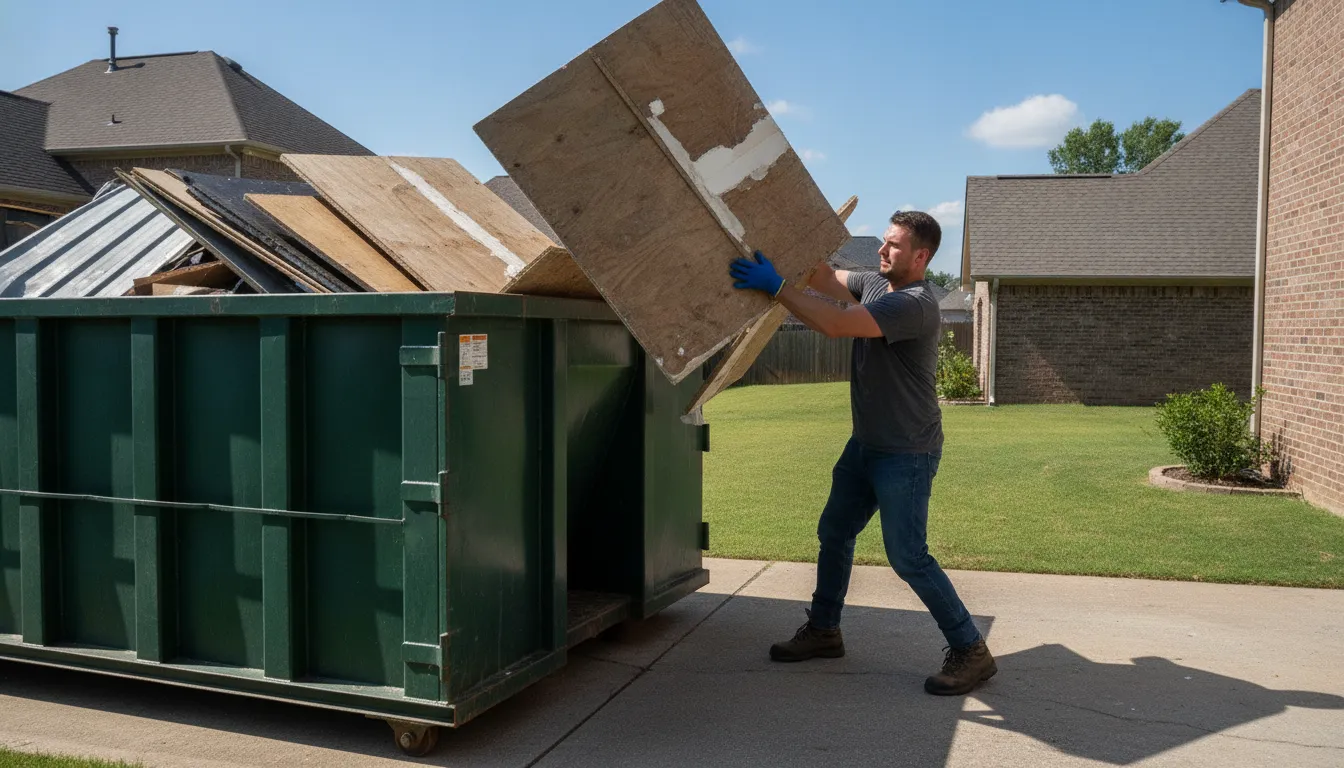
Dumpsters On Demand uses roll-off dumpsters for projects where municipal collection has limitations. The company accepts heavy construction materials including brick and concrete rubble, subject to proper loading and placement requirements. That distinction matters after wind and storm damage, when material from a driveway, porch, retaining wall, or damaged structure may not fit a standard household waste stream. See our guide to heavy storm debris disposal for more on concrete, brick, and dense waste.
Right-size the container for the cleanup
A 15-yard roll-off is a right-sized option for many residential storm cleanup projects. It provides room for a substantial debris load without putting an oversized container on a typical driveway. The driveway-friendly design can reduce placement concerns, although the delivery area still needs a stable, accessible surface with adequate clearance. Our 10-yard vs 15-yard comparison can help you evaluate container sizes.
Material type matters as much as volume. Concrete, brick, and dense rubble become heavy quickly, so do not fill a container beyond safe limits. If a load includes vegetation and construction debris, separate those materials before loading when possible.
Dumpster Rental vs. City Pickup for Storm Debris: Which Is Right for You?
City pickup is usually the better fit for qualifying brush placed correctly at the curb when you can work within Nashville’s collection schedule. A private roll-off is usually better for private-property debris, mixed construction waste, heavy rubble, or urgent repairs because it provides controlled storage and a defined rental period.
The right choice depends on the material, how quickly it must leave, and whether you can work within a public collection schedule. Nashville may activate special storm debris programs, but those programs follow specific collection rules and material categories. A private roll-off gives you a container at your property, a defined rental period, and more control over the cleanup sequence.
| Option | Speed | Materials accepted | Cost | Best for |
|---|---|---|---|---|
| City or county debris pickup | Schedule and collection window vary after the storm | Often vegetation and eligible household debris; drywall, flooring, and roofing may be excluded | Program-dependent; confirm eligibility with Nashville | Brush and qualifying debris placed correctly at the curb |
| Private roll-off dumpster rental | Same-day delivery may be available for urgent cleanup | Storm debris plus concrete, brick, and heavy construction rubble | Based on dumpster size, rental duration, and included weight | Immediate cleanup, renovation waste, and mixed or heavy debris |
When city pickup makes sense
City collection can be practical when debris is mostly storm-damaged vegetation and you can meet the placement instructions. Nashville guidance requires separating brush from construction and demolition waste, then placing eligible material at the curb without blocking sidewalks or streets. The Nashville Hub provides an online request portal for debris removal from the public right-of-way.
The main tradeoff is control. During peak recovery, a program may have a defined window, route, or restricted material list. A pile that includes roofing or drywall may therefore require a separate disposal plan.
When a private dumpster is the better fit
A roll-off is usually the more dependable choice when damaged structures, driveways, masonry, or remodeling work create heavy debris. Dumpsters On Demand accepts concrete, brick, and heavy construction rubble, materials that municipal collection may refuse. Same-day delivery may let you begin cleanup sooner when availability allows. Read our residential dumpster rental guide for project-planning details.
What Does Storm Debris Cleanup Cost in Nashville?
Storm debris cleanup cost in Nashville depends on the container size, rental period, material weight, and debris type. Dumpsters On Demand’s standard 15-yard Nashville Metro rates range from $349 for one day to $525 for fourteen days. Each rental includes up to 2 tons, with material above that allowance charged at $125 per ton.
The cost of storm debris cleanup in Nashville depends on how much material you have, what it weighs, and how long you need the dumpster. A small pile of branches has a different disposal profile from waterlogged tree limbs mixed with drywall, roofing, and insulation. Transparent pricing should make those variables clear before delivery.
For a driveway-friendly 15-yard dumpster from Dumpsters On Demand, the standard Nashville Metro rental options are:
| Rental period | Price |
|---|---|
| 1 day | $349 |
| 3 days | $375 |
| 7 days | $399 |
| 14 days | $525 |
Each standard rental includes up to 2 tons. For Nashville Metro deliveries, material above that allowance is charged at $125 per ton. The listed rate covers the dumpster size and selected rental duration. You can review more details in the storm debris dumpster cost guide before choosing a rental period.
Why wet debris can change the total
Storm debris is not always as light as it looks. Wood that has absorbed rainwater, soaked insulation, and mud-covered materials can weigh more than dry debris. A dumpster may look partly full while approaching its weight allowance. This matters most after prolonged rain or flooding.
Volume also matters. A right-sized dumpster reduces wasted space and can avoid the cost of arranging multiple pickups. Keep dense materials such as broken masonry, concrete, or brick within the service’s accepted material guidelines. Describe the debris honestly, including whether it is wet, mixed with construction materials, or likely to contain heavy rubble.
How to Sort and Load Storm Debris Into a Dumpster Safely
Sort storm debris before loading, keep vegetation separate from construction materials when required, place dense materials low and spread them evenly, and stop at the dumpster rim. Never load debris tangled with power lines or unstable structures. A level, contained load protects the property, delivery crew, nearby traffic, and anyone working around the container.
Storm cleanup moves faster when debris is sorted before it reaches the dumpster. A clear system also helps you follow Nashville collection rules, protect the driveway, and load the container safely. Before starting, identify downed utility lines, unstable structures, or branches under tension. Leave those hazards to trained professionals. For ordinary cleanup, use this loading sequence.
- Separate vegetation from construction and demolition debris. Create one pile for branches, limbs, brush, and other vegetation. Create another for concrete, brick, drywall, flooring, roofing, and damaged wood. Nashville storm collection programs may require vegetation debris to remain separate from general waste.
- Choose a stable loading area and keep access clear. Place sorted debris near the curb or driveway so it is easy to move. Do not block sidewalks, travel lanes, drainage paths, mailboxes, or the dumpster truck’s approach.
- Load heavy materials first and keep them flat. Put concrete, brick, dense rubble, and wet wood on the bottom. Spread heavy material across the floor instead of building a tall mound on one side. Do not drop heavy pieces from a height.
- Add lighter debris without creating unstable overhangs. Place boards, branches, roofing, and other lighter materials on top of the base layer. Cut long pieces down only when it can be done safely. Keep sharp ends pointed inward.
- Stop at the rim and check the load from every side. Debris must not extend above the dumpster walls. If the load is nearing the rim, stop and arrange another container or removal rather than forcing in one more piece.
For additional size guidance, review the residential dumpster rental guide, the 15-yard dumpster guide, or the what-size-dumpster guide before delivery.
Stay Safe While You Clean Up Storm Debris
Storm debris cleanup should stop when the site includes downed power lines, unstable structures, gas leaks, branches under tension, or debris blocking emergency access. For ordinary work, use gloves, sturdy boots, eye protection, and long sleeves. The CDC also recommends proper precautions for disaster debris and chainsaw work.
Storm cleanup can turn a familiar yard into a field of hidden hazards. Broken branches, nails, splintered lumber, glass, and unstable structures can cause injuries quickly. Before beginning storm debris cleanup in Nashville, assess the area and decide what you can safely handle yourself. Keep children and pets away from the work zone, and do not enter a damaged building until its structure has been evaluated.
The CDC recommends using proper personal protective equipment during disaster debris cleanup. Wear heavy-duty work gloves, sturdy boots with slip-resistant soles, and long sleeves. Eye protection guards against flying chips and dust, while hearing protection is appropriate for loud equipment.
Use extra caution with chainsaws and unstable structures
Chainsaw work deserves a separate safety decision. The CDC chainsaw safety guidance recommends proper training, protective equipment, and awareness of your surroundings. Do not operate a chainsaw without training. Never cut a tree that is leaning against a home or tangled in utility lines. Do not cut trees under tension or resting on another unstable object.
Watch for downed power lines, gas leaks, standing water, weakened roofs, partially collapsed walls, and branches that may shift without warning. Treat every downed line as energized, even if the neighborhood has lost power. If debris is tangled with utility equipment or blocks access for emergency crews, leave it in place and contact the appropriate service.
Keep access routes clear
Nashville guidance says brush and debris placed for collection should remain at the curb edge without blocking sidewalks or streets. If you use a dumpster, place it where the delivery truck can reach it without forcing pedestrians into traffic, and leave enough room for safe loading.
Book your storm debris dumpster online
Frequently Asked Questions
How do I dispose of storm debris in Nashville?
Start by checking current Metro Nashville guidance because special collection programs can have dates and placement rules. The Nashville Hub provides a request portal for debris in the public right-of-way. For private-property debris, especially mixed construction waste or heavy rubble, a private roll-off gives you control over loading and timing.
Does the city pick up storm debris after a storm?
Nashville may activate special storm debris collection, particularly for vegetation, but availability and deadlines depend on the specific response. Brush and construction debris may need to be separated, and curbside piles should not block sidewalks or streets. Check the latest Metro Nashville debris collection notice before moving material to the curb.
Can I put storm debris in a dumpster?
Many common storm-cleanup materials can go into a dumpster, including fallen branches, wood, drywall, roofing, brick, concrete, and other construction rubble. Separate materials when local collection rules require it, and keep hazardous waste, liquids, and restricted items out. Heavy materials can reach the weight allowance before the container looks full.
What items are prohibited in Nashville storm debris cleanup?
Do not place household hazardous waste, chemicals, fuels, batteries, paint, electronics, tires, or other dangerous materials in a standard roll-off without approval. Damaged structures can hide electrical, chemical, or biological hazards. Isolate questionable items and check Metro Nashville or disposal-site instructions rather than mixing them with ordinary debris.
How quickly can I get a dumpster for storm debris in Nashville?
Same-day delivery may be available for emergency storm cleanup, depending on truck and container availability, delivery access, and the service area. Keep the driveway or drop zone accessible, and tell the provider if the load includes concrete, brick, or other heavy material.
Book your storm debris dumpster online
Ready to Clear Storm Debris in Nashville?
A right-sized dumpster can keep storm cleanup organized after damaged limbs, roofing, concrete, or other debris are sorted. Dumpsters On Demand offers driveway-friendly 15-yard roll-offs, transparent Nashville Metro pricing, and online booking. Confirm availability, accepted materials, and placement details before delivery.
If you are weighing a private container against city pickup, our how to rent a dumpster guide covers the practical steps. For questions about your cleanup, call (615) 971-3668.